


Nitinol Tubing with Ultra-Thin Walls for High-Precision Endoscopic Instruments
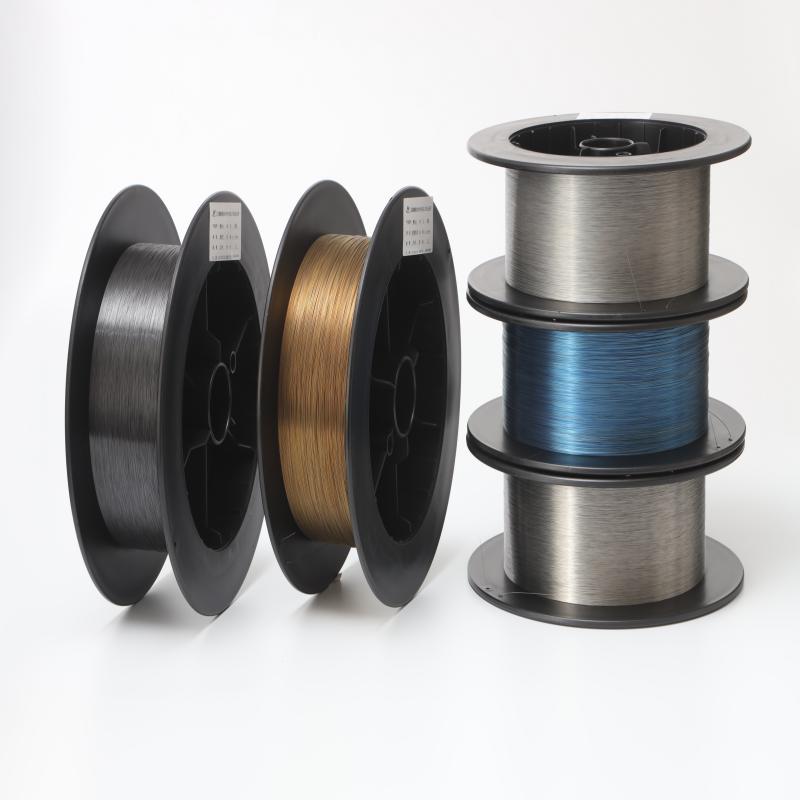
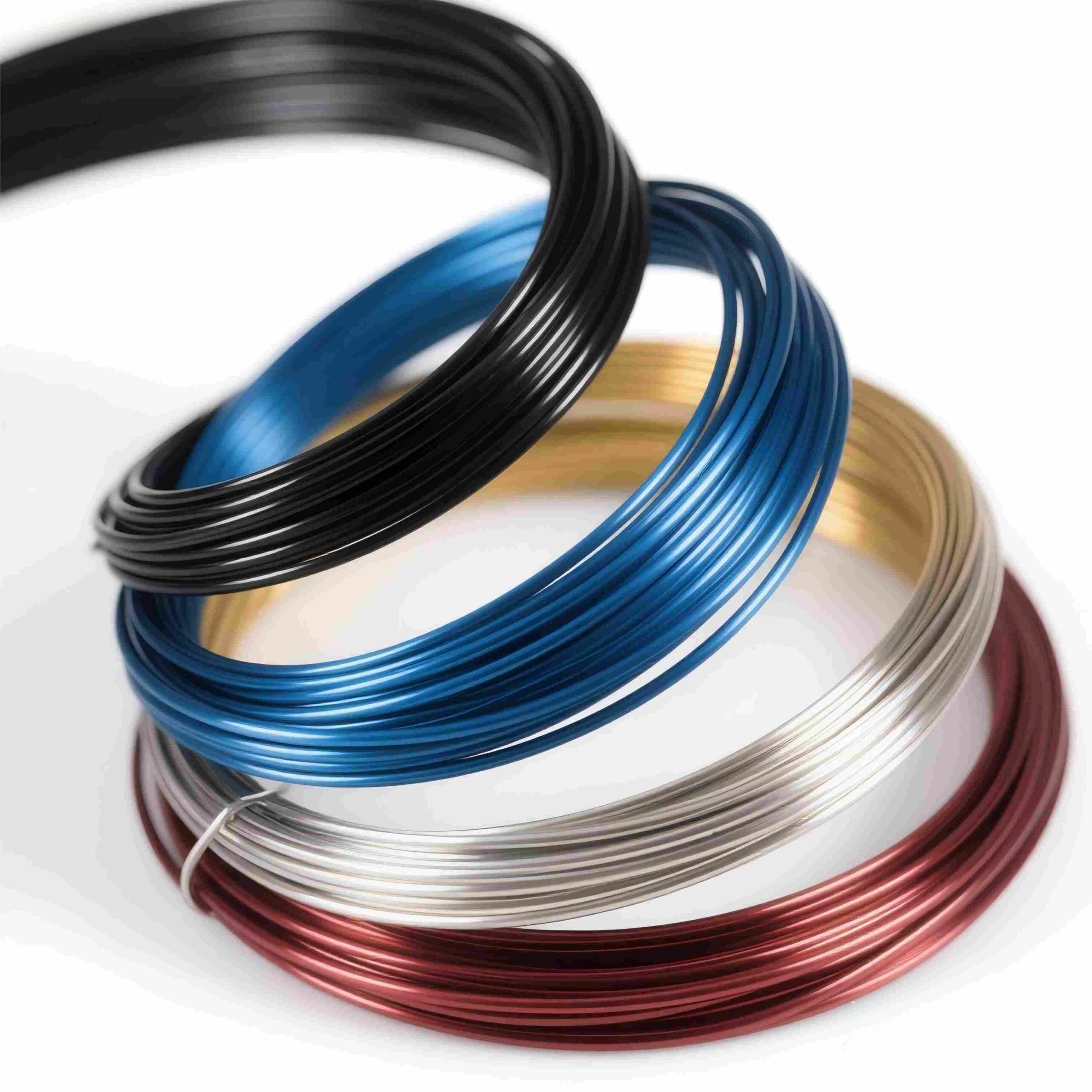
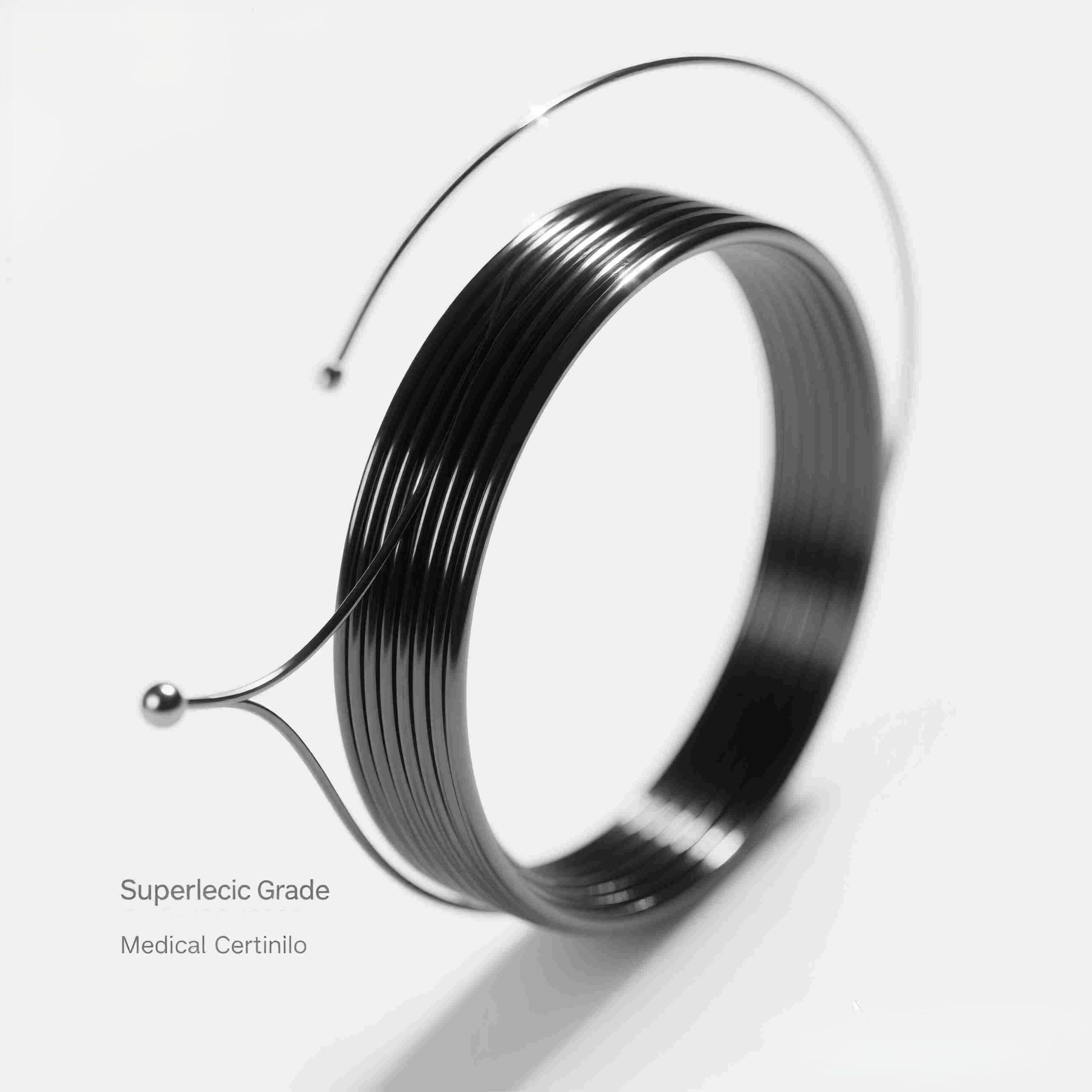
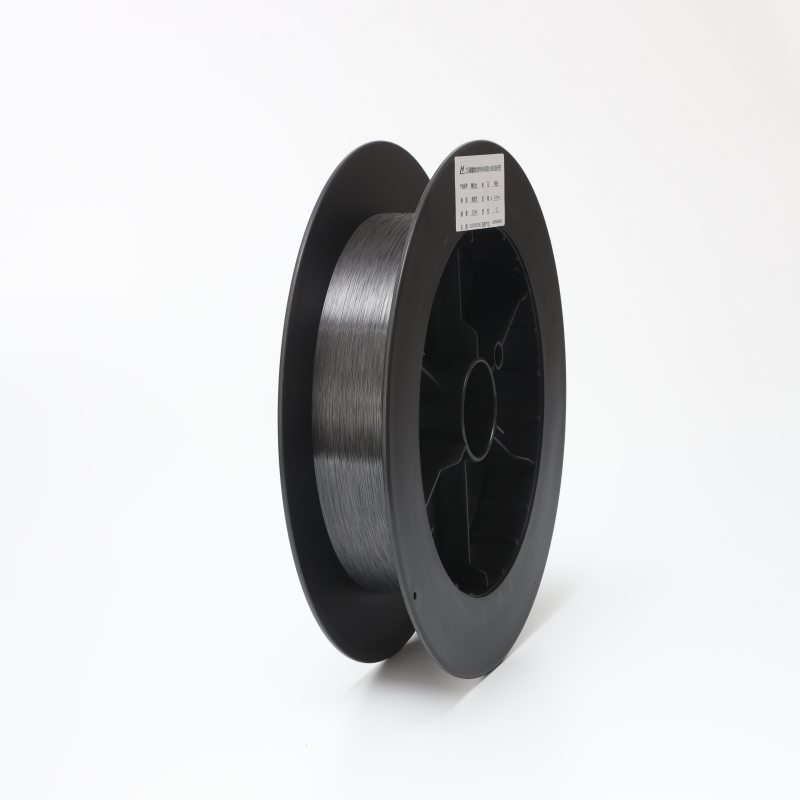
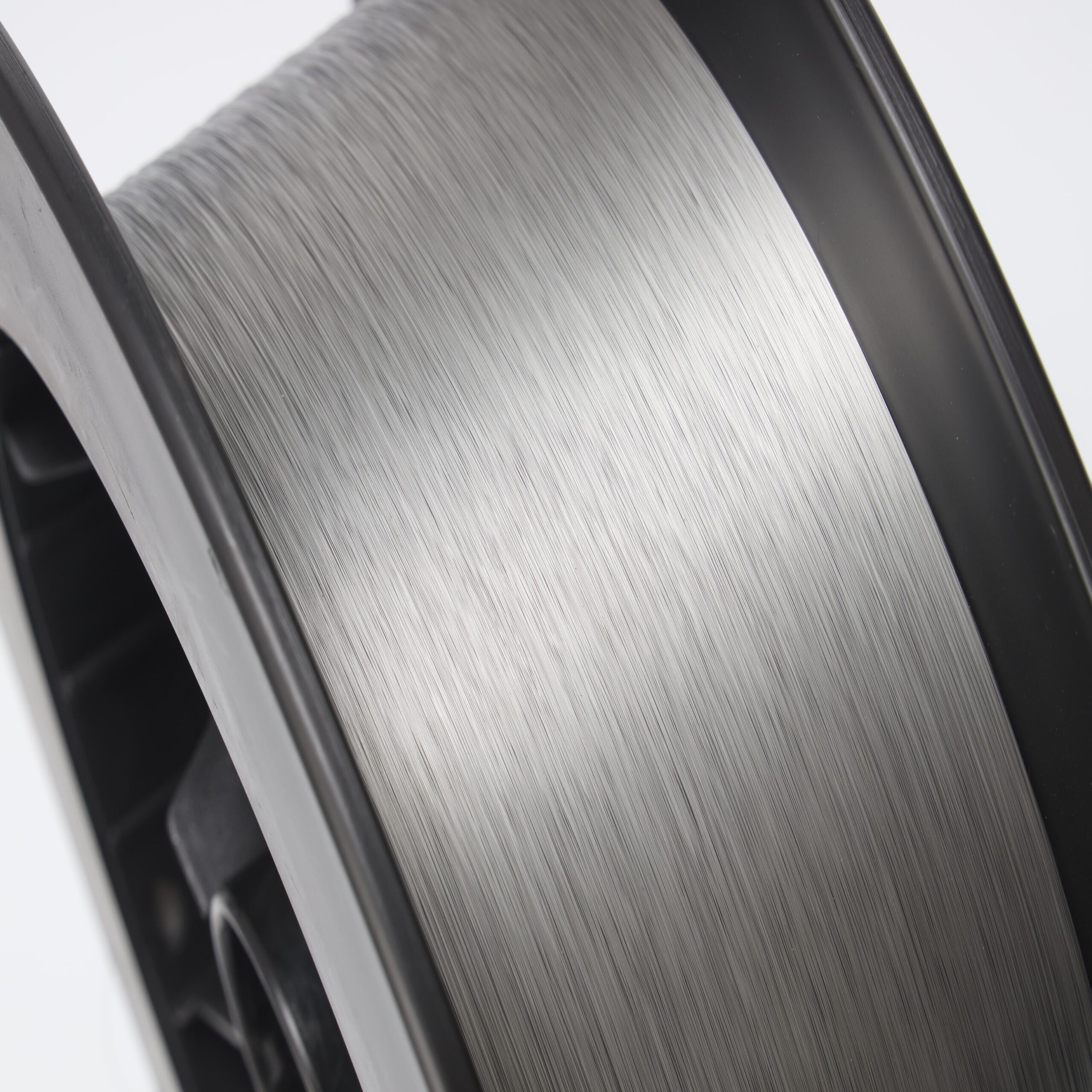
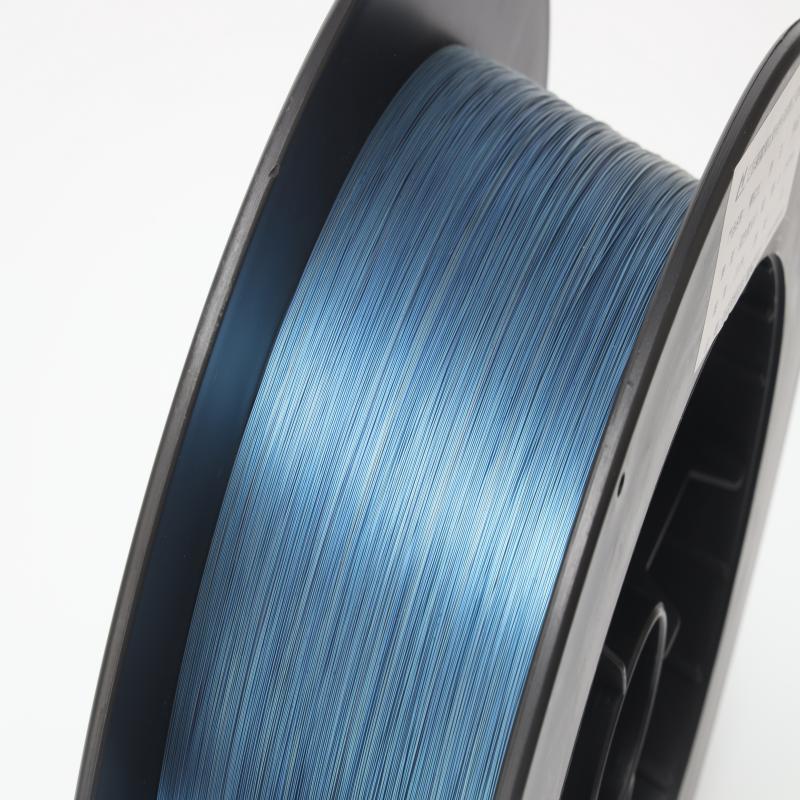
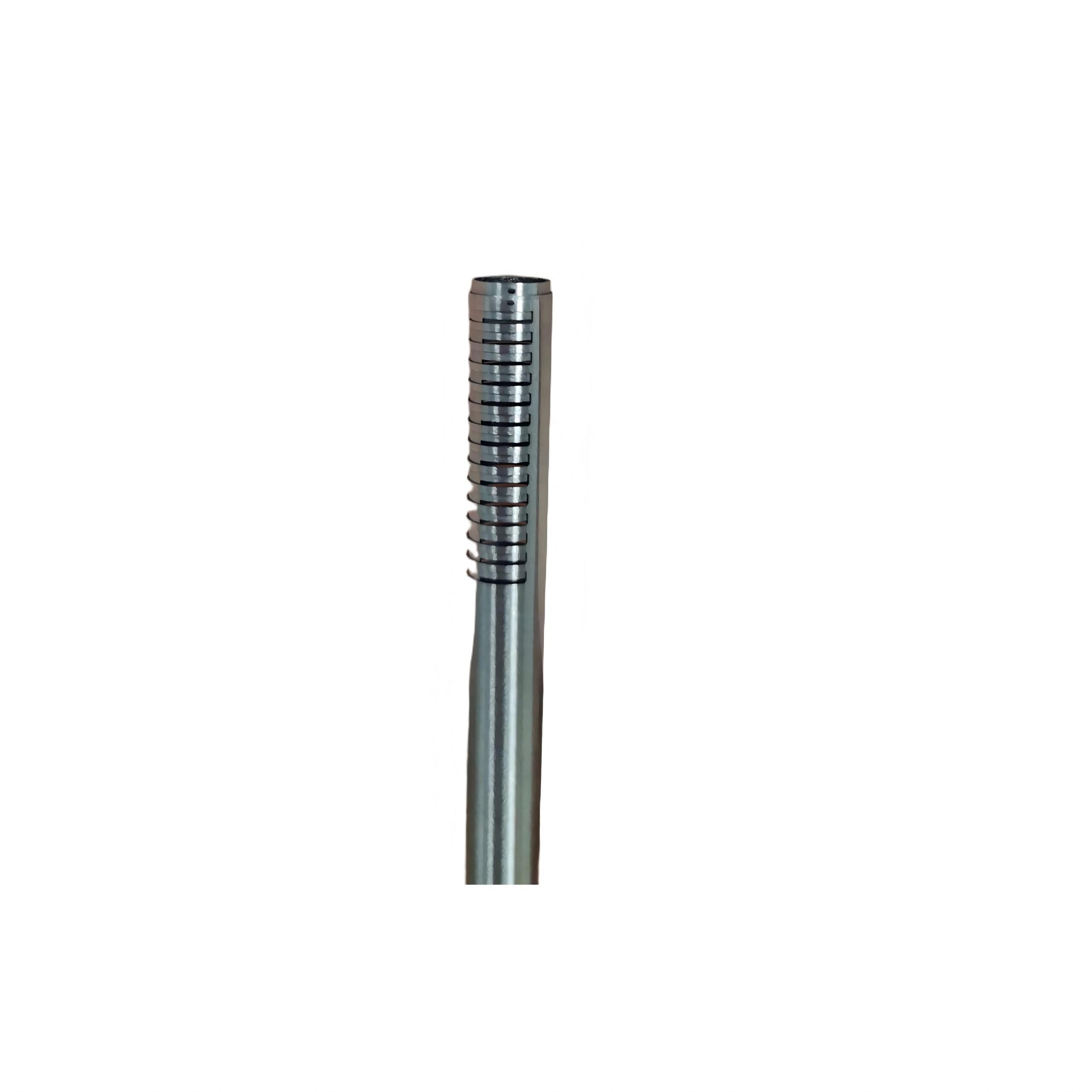
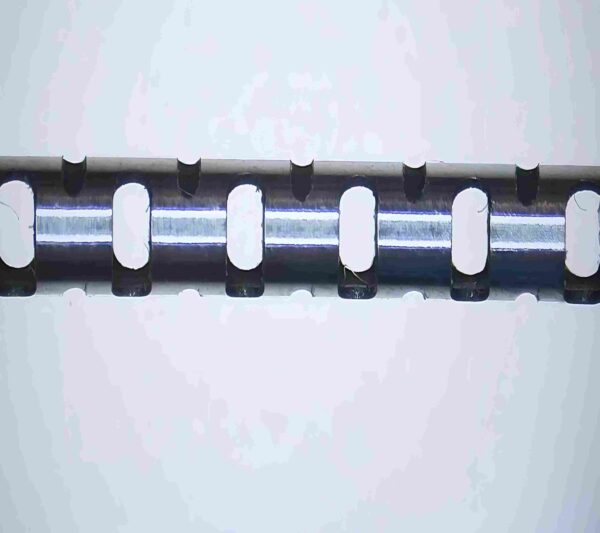
Our nitinol tubing with ultra-thin walls is designed to meet the demanding requirements of advanced endoscopic instruments. Featuring superior superelasticity, exceptional dimensional precision, and outstanding flexibility, this tubing enables reliable performance in complex minimally invasive procedures. Its ultra-thin wall construction significantly reduces device profile while maintaining excellent structural strength and lumen capacity.
Premium Materials & Medical-Grade Alloy Options
We manufacture our nitinol tubing using high-purity nickel-titanium alloys to ensure consistent performance and long-term reliability. Our materials comply with ASTM F2063, Q/XB1516.1, and Q/XB1516.2, meeting global medical device standards.
Available grades include fully annealed NiTi-01 (Af 20°C–40°C) and NiTi-02 (Af 45°C–90°C), as well as superelastic NiTi-SS (Af -5°C–5°C) for dynamic applications. For body-temperature performance, we offer medical-grade NiTi-SS with Af 33°C ±3°C. Low-temperature superelastic alloys TN3 and TNC (Af -20°C to -30°C), narrow hysteresis NiTiCu, and wide hysteresis NiTiNb and NiTiF are also available to support specialized device designs.
Key Features of Nitinol Tubing with Ultra-Thin Walls
Our tubing provides exceptional superelastic recovery, enabling large reversible deformation without permanent damage. The ultra-thin wall structure enhances flexibility, torque transmission, and pushability, making it ideal for navigating tortuous anatomical pathways.
High-precision manufacturing ensures tight tolerances in outer diameter, inner diameter, and wall thickness, delivering smooth inner and outer surfaces for safe, reliable operation. In addition, our tubing exhibits outstanding kink resistance, corrosion resistance, and biocompatibility, supporting both disposable and reusable medical instruments.
Applications in Minimally Invasive Endoscopic Devices
Nitinol tubing with ultra-thin walls is widely used in:
-
Endoscopic guidewires and catheter shafts
-
Biopsy forceps, snares, and retrieval tools
-
Endoscopic scissors and graspers
-
Stent delivery systems and access sheaths
-
Endoscopic needles and ablation probes
Its non-magnetic nature ensures MRI compatibility, while its constant gentle force improves surgical precision and patient safety.
▸ Expert Guidance: 24/7 support
▸ Facebook account:Facebook
Linkedin account:Ben Xiang | LinkedIn
Reviews
There are no reviews yet.