

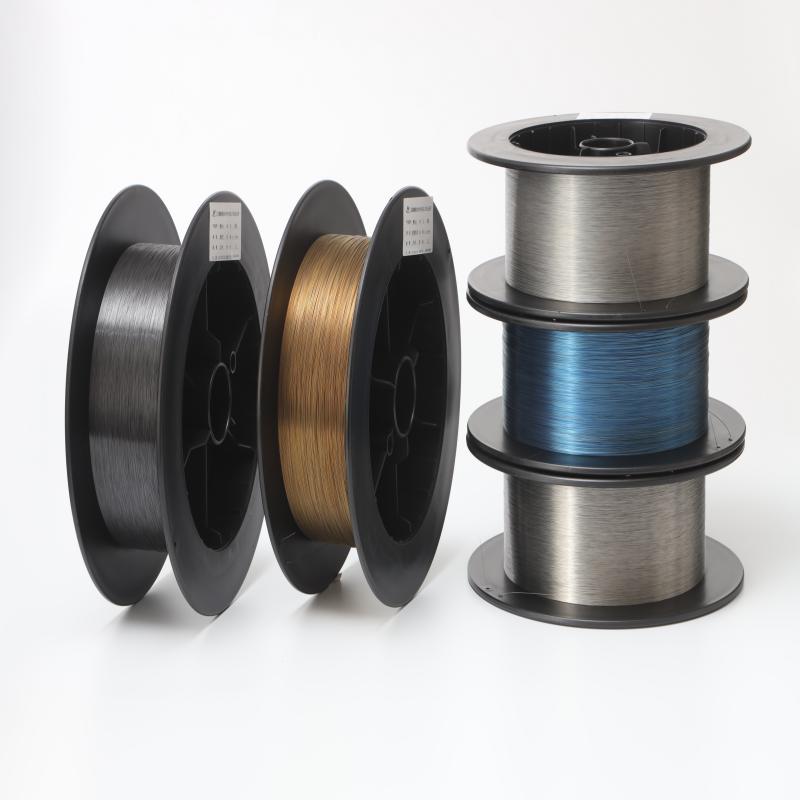
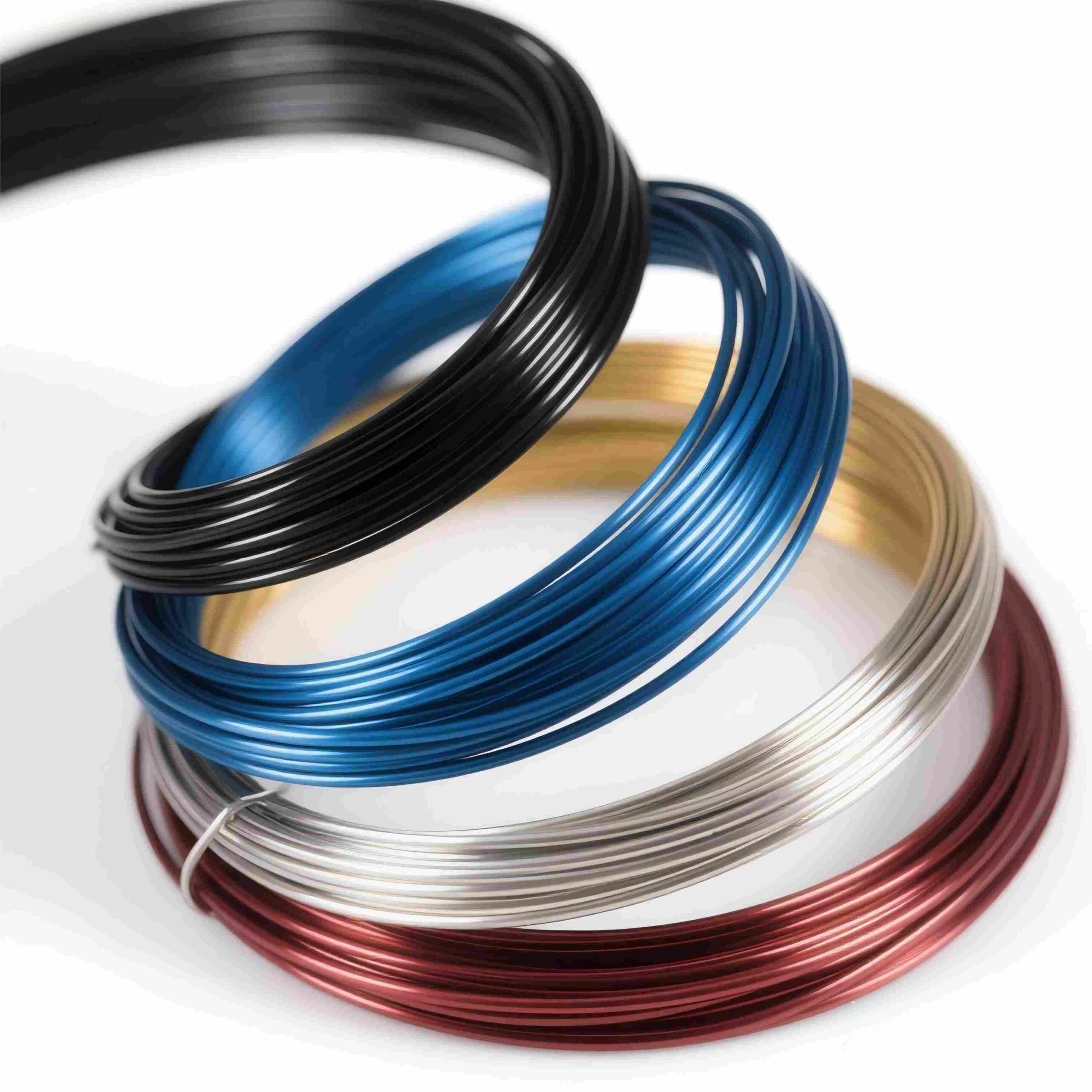
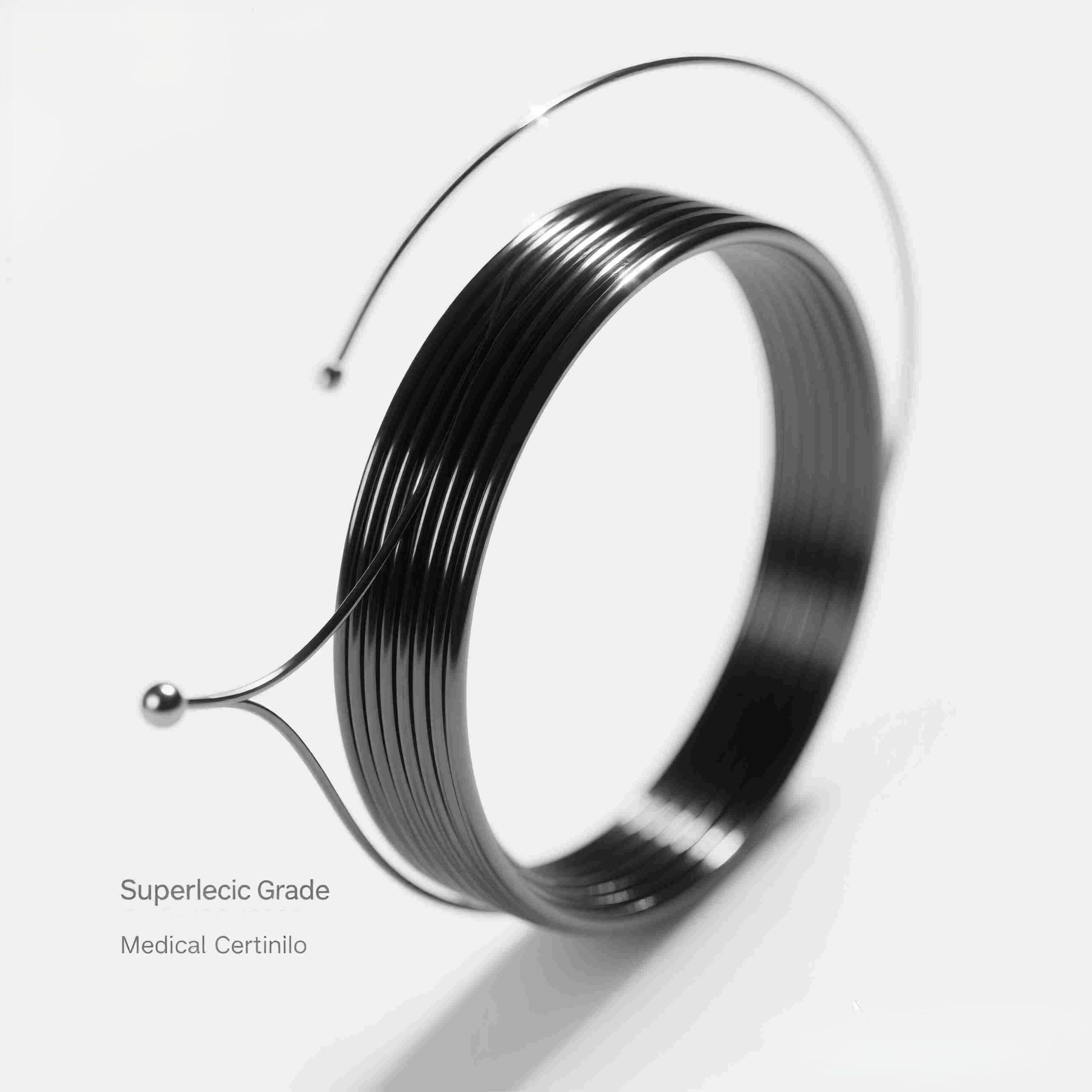
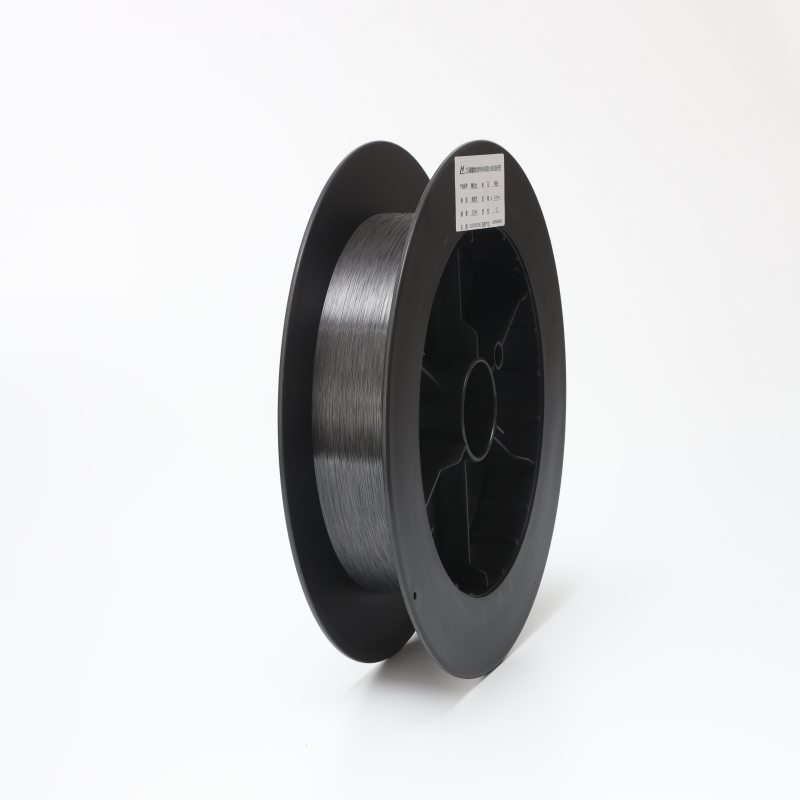
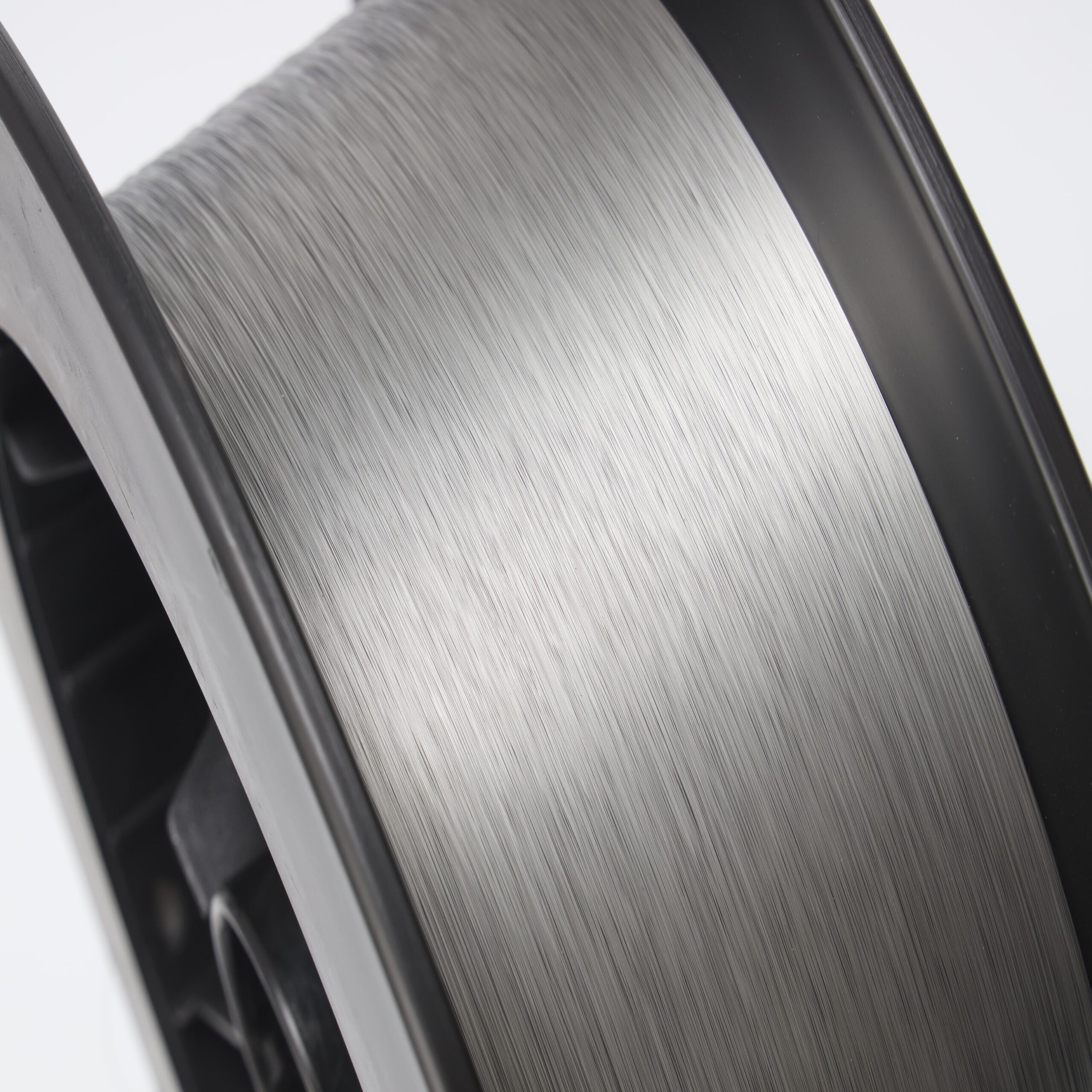
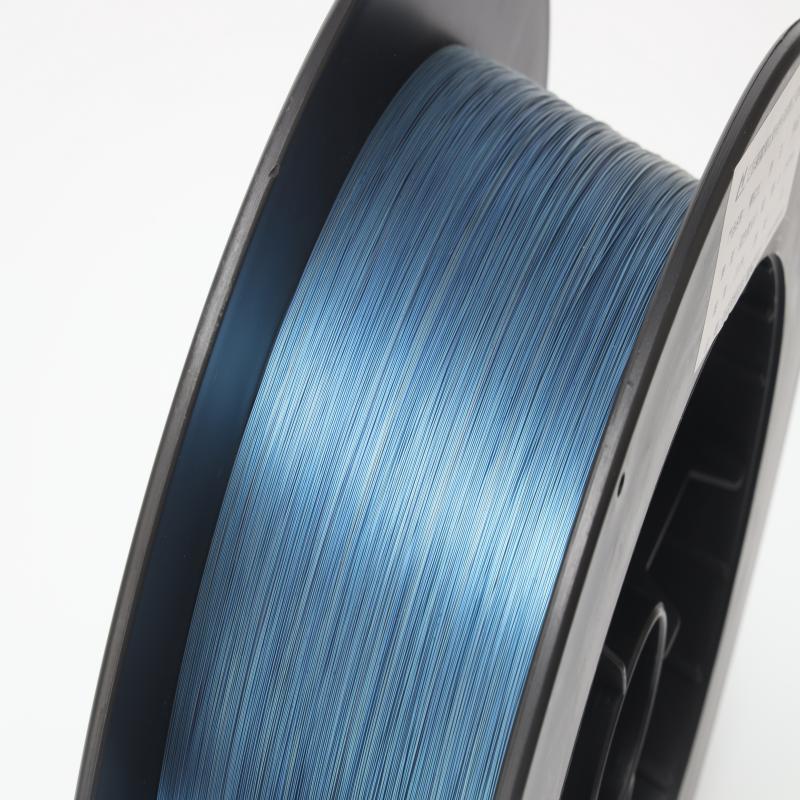

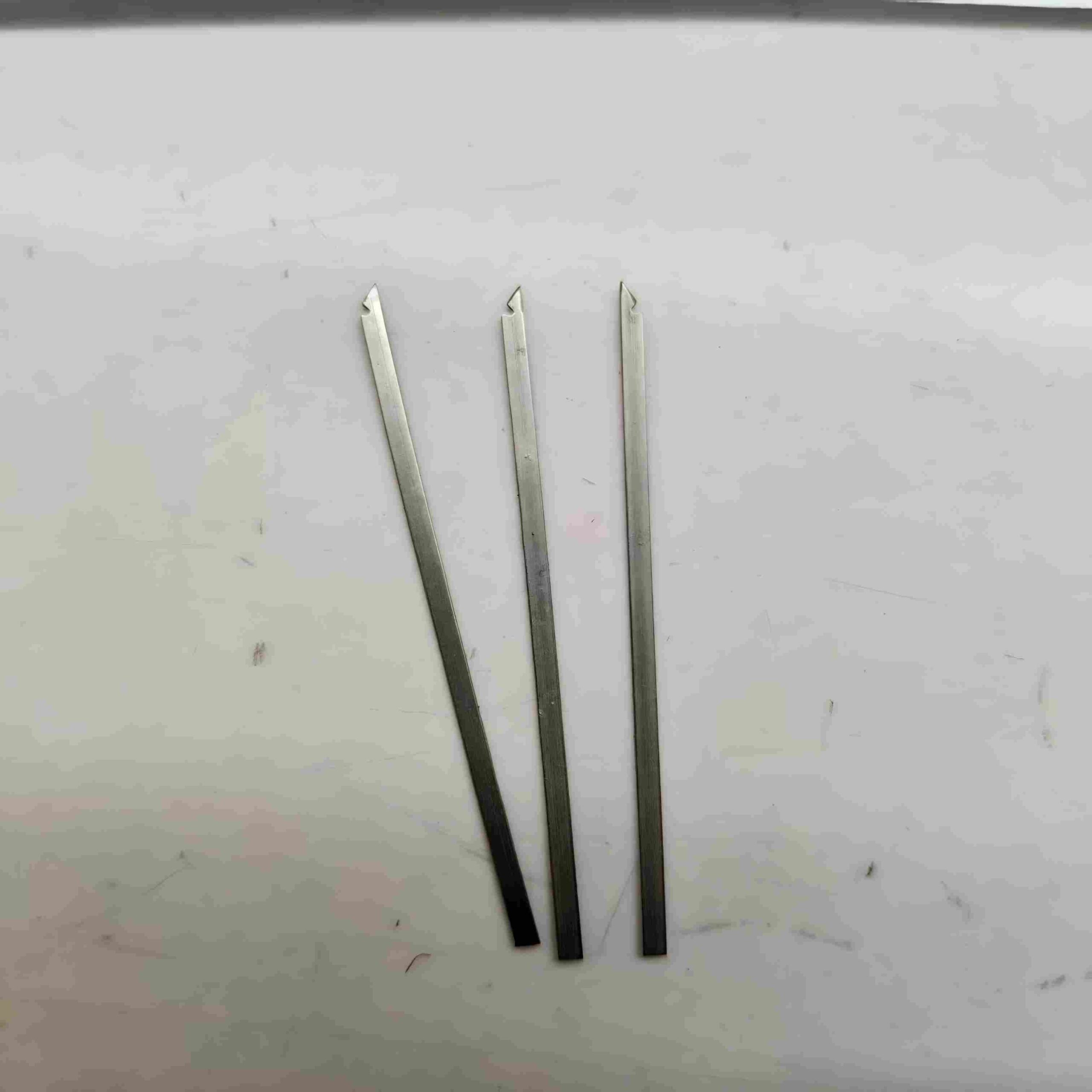
Medical Nitinol Core Wire for Advanced Medical Devices
Medical Nitinol Core Wire delivers reliable mechanical performance for next-generation medical devices. Manufactured from a precision-controlled nickel–titanium alloy, this advanced material combines superelasticity and the shape memory effect, making it ideal for demanding clinical applications. As a result, engineers widely use medical Nitinol core wire in stents, guidewires, orthodontic archwires, and minimally invasive implants.
In addition, its consistent dimensional accuracy ensures smooth downstream processing during device manufacturing. Medical device companies rely on stable transformation temperatures and repeatable mechanical properties to achieve predictable clinical outcomes.
A Brief History of Nitinol Innovation
Scientists first discovered Nitinol in 1961 at the United States Naval Ordnance Laboratory. The term “Nitinol” was created as an abbreviation derived from Nickel, Titanium, and the Naval Ordnance Laboratory where the alloy was first developed. Researchers observed that this alloy could return to its original shape after deformation and heating—an unexpected and groundbreaking finding at the time.
Consequently, this discovery transformed materials science and opened new possibilities in engineering and medicine. Today, Nitinol-based medical devices support millions of patients worldwide through life-saving and life-enhancing treatments.
CWT Expertise in Medical Nitinol Core Wire
With decades of metallurgical experience, CWT controls every stage of medical Nitinol core wire production—from vacuum melting to precision wire drawing and final surface finishing.
We offer:
-
Diameters ranging from 0.01875 mm to 5.0 mm
-
Controlled transformation temperatures
-
Stable superelastic performance
-
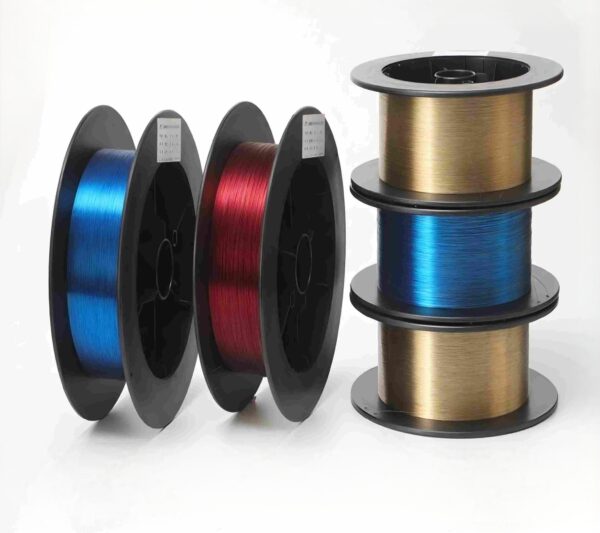
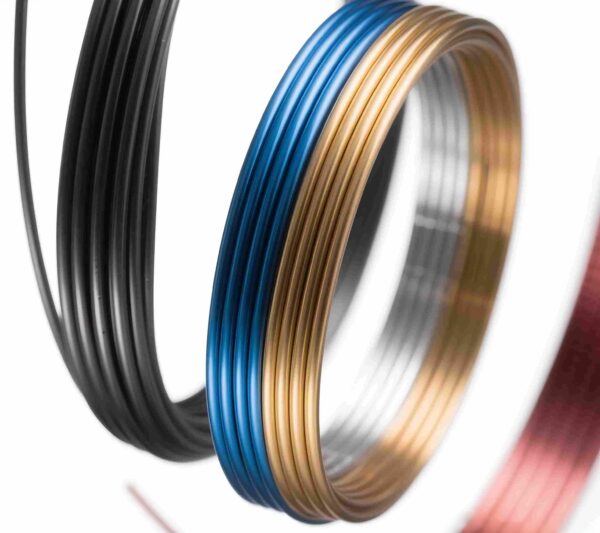
Surface finishes including black oxide, pickled, and polished
Furthermore, we operate under ISO 13485-certified quality systems, ensuring full traceability and compliance for medical applications. Each batch undergoes tensile testing, elongation measurement, and transformation temperature verification. We also perform microscopic surface inspections to guarantee defect-free wire integrity.
How Does Medical Nitinol “Remember” Its Shape?
The shape memory effect occurs through a reversible phase transformation between martensite and austenite phases.
At lower temperatures, the wire remains in the martensitic state, where it can be easily bent or deformed. However, once heated above its transformation temperature, it transitions to the austenitic phase and instantly returns to its preset shape.
Manufacturers define this original shape using controlled heat treatment:
-
The wire is fixed onto a precision mandrel.
-
It is heated at calibrated temperatures.
-
The alloy “learns” and permanently retains this geometry.
Even after repeated deformation cycles, heating restores the programmed shape. Consequently, this property enables self-expanding stents and other minimally invasive technologies.
▸ Facebook account:Facebook
▸ Linkedin account:Ben Xiang | LinkedIn
Reviews
There are no reviews yet.