
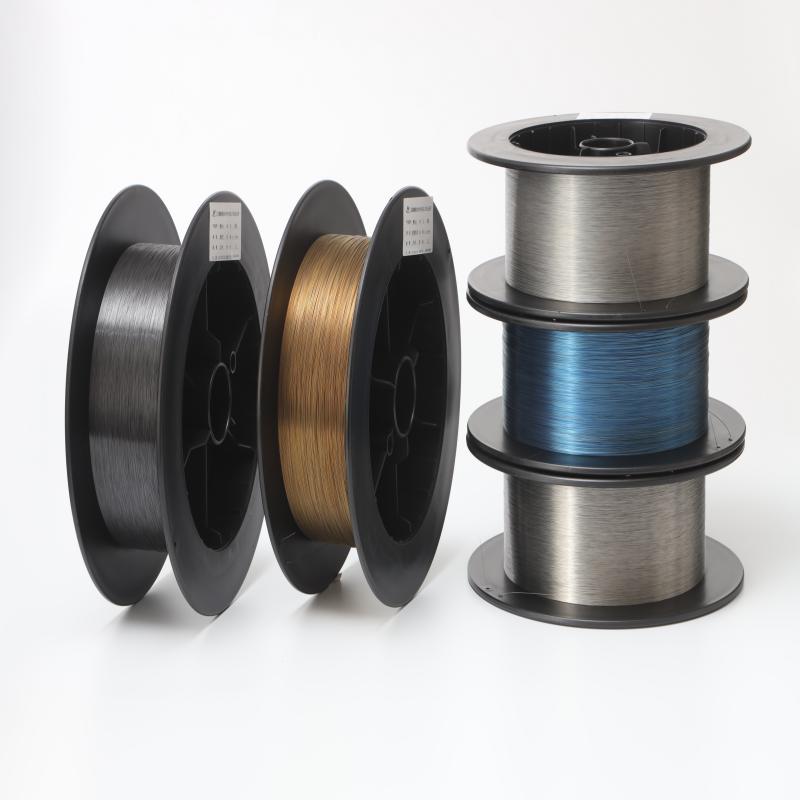
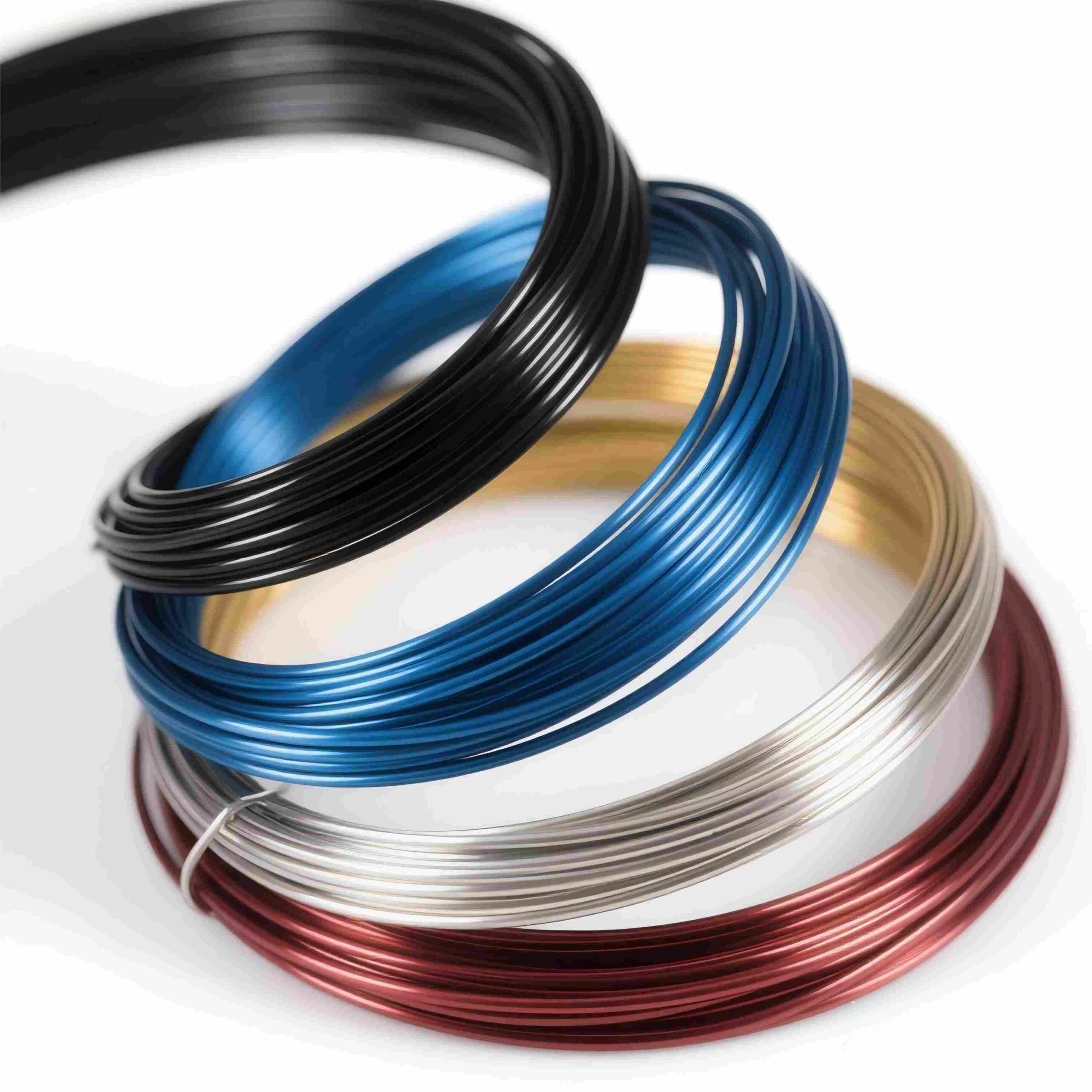
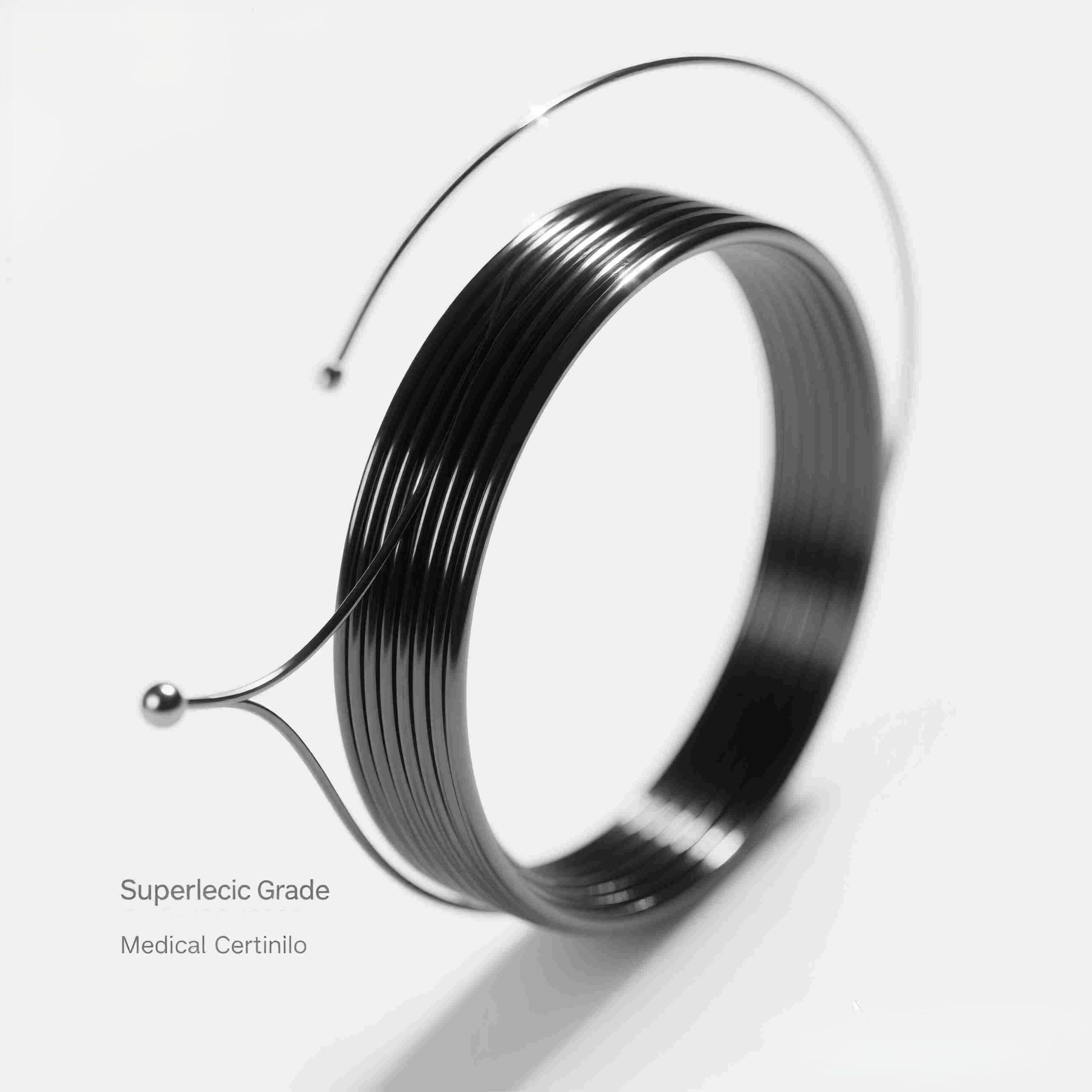
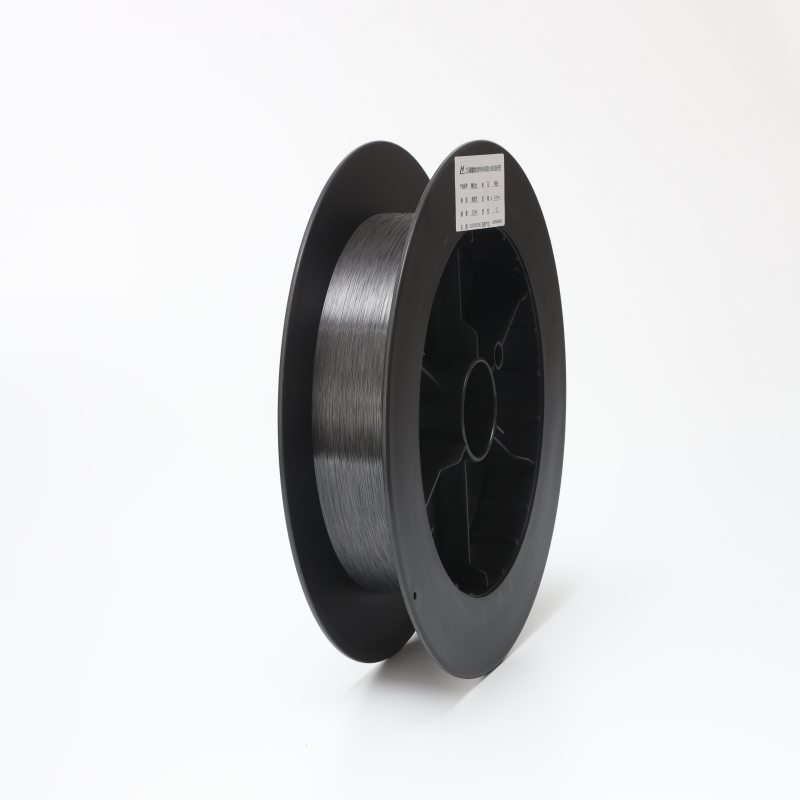
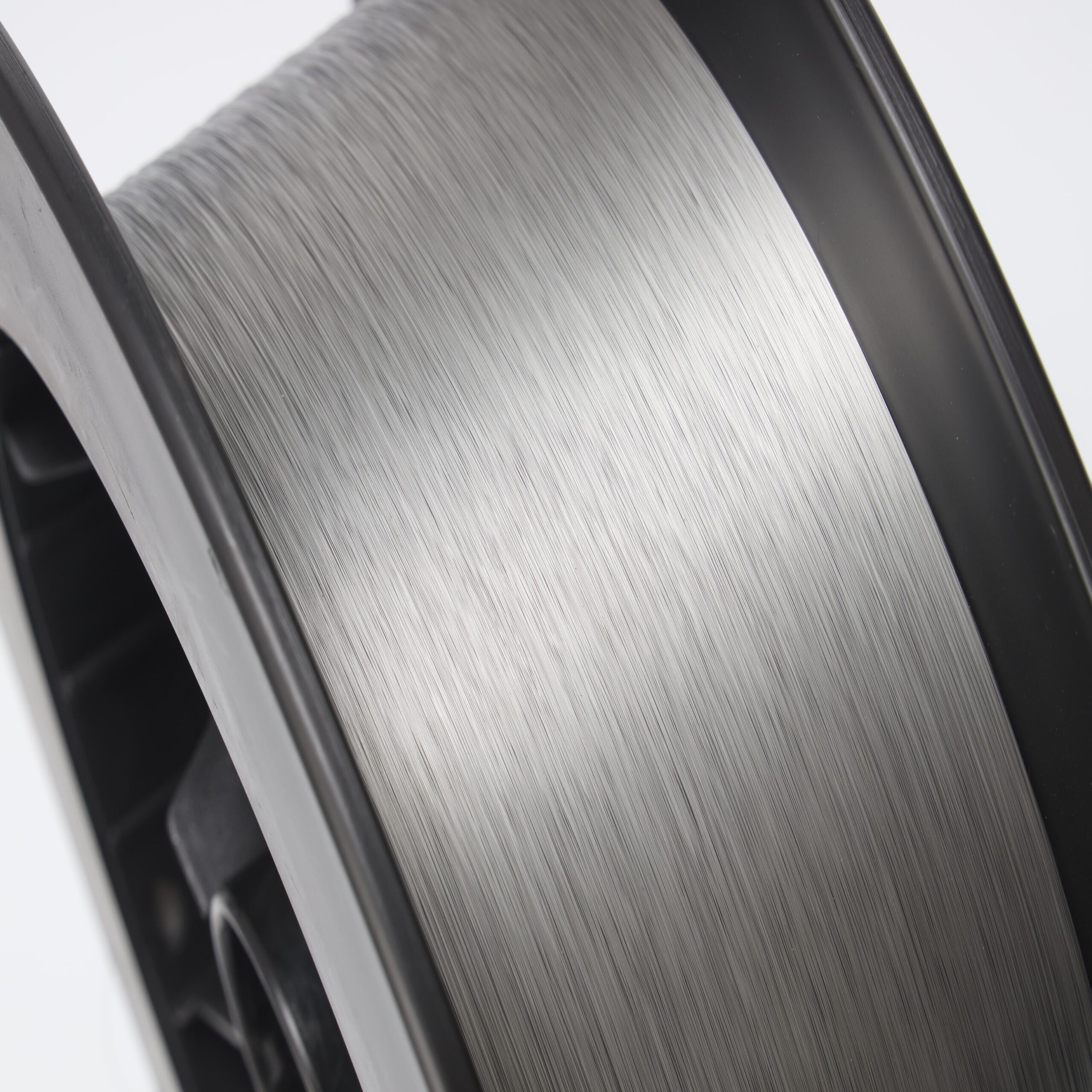
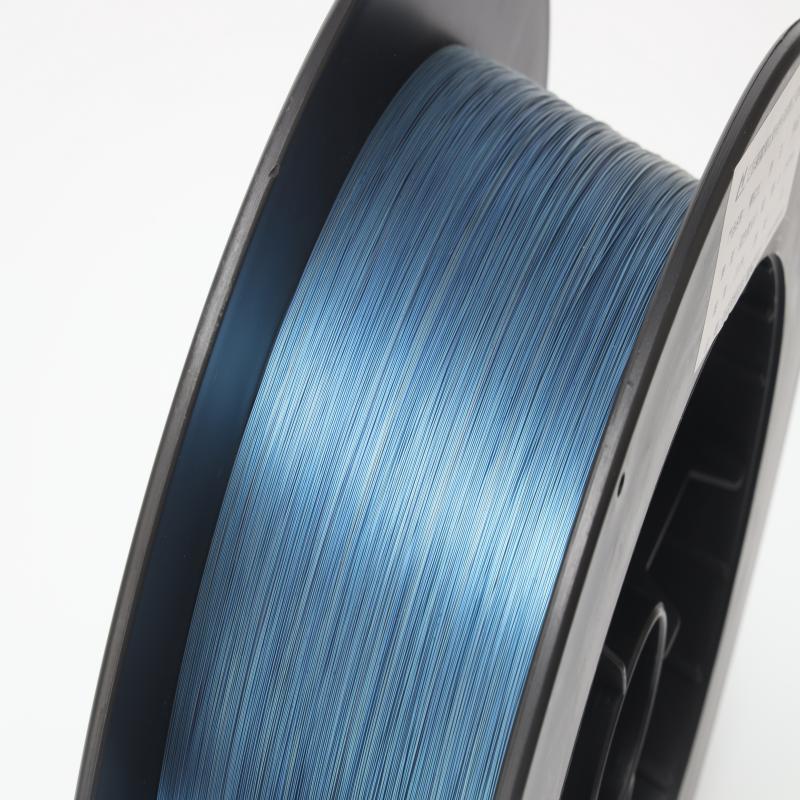

-1279x701.jpg "Nitinol wire(To be shipped)")
Nitinol Wire vs Stainless Steel Wire: Which Is Better for Medical Device Manufacturing?
Medical device manufacturers rely heavily on high-performance metal wires to produce safe, durable, and reliable medical tools and implants. Nitinol wire and stainless steel wire are the two most widely used materials in the medical industry. Each material has unique mechanical properties that suit different clinical applications.
Stainless Steel Wire: Rigid, Stable, and Cost-Effective
Stainless steel wire remains a mainstream choice for conventional medical devices. It delivers high tensile strength, excellent rigidity, and stable torque control during operation. It also features low cost and easy processing, making it ideal for mass-produced medical components.
Manufacturers commonly use medical-grade stainless steel wire for surgical instruments, catheter structural parts, medical springs, and orthodontic finishing wires. It works best for applications that require fixed shape, high stiffness, and precise mechanical support.
Nitinol Wire: Superelastic and Shape-Memory for Advanced Minimally Invasive Devices
With the rapid development of minimally invasive surgery and interventional medicine, Nitinol wire has become an irreplaceable material for high-end medical devices. Unlike stainless steel, Nitinol has two core advantages: superelasticity and shape memory effect.
Nitinol wire can withstand large bending and stretching deformation and instantly return to its original shape. This flexibility allows medical devices to pass through complex, narrow human anatomical pathways with minimal trauma. In addition, Nitinol offers outstanding fatigue resistance, enabling long-term stable service inside the human body.
It is widely applied in guidewires, self-expanding stents, IVC filters, implantable devices, and orthodontic archwires. For advanced, flexible, and long-term implant scenarios, Nitinol outperforms traditional stainless steel.
How to Choose Between the Two Materials?
Choose stainless steel wire if your project requires high rigidity, fixed support, and cost efficiency for standard medical tools. Choose Nitinol wire if you need flexible, self-recovering, and fatigue-resistant materials for minimally invasive or implantable medical devices.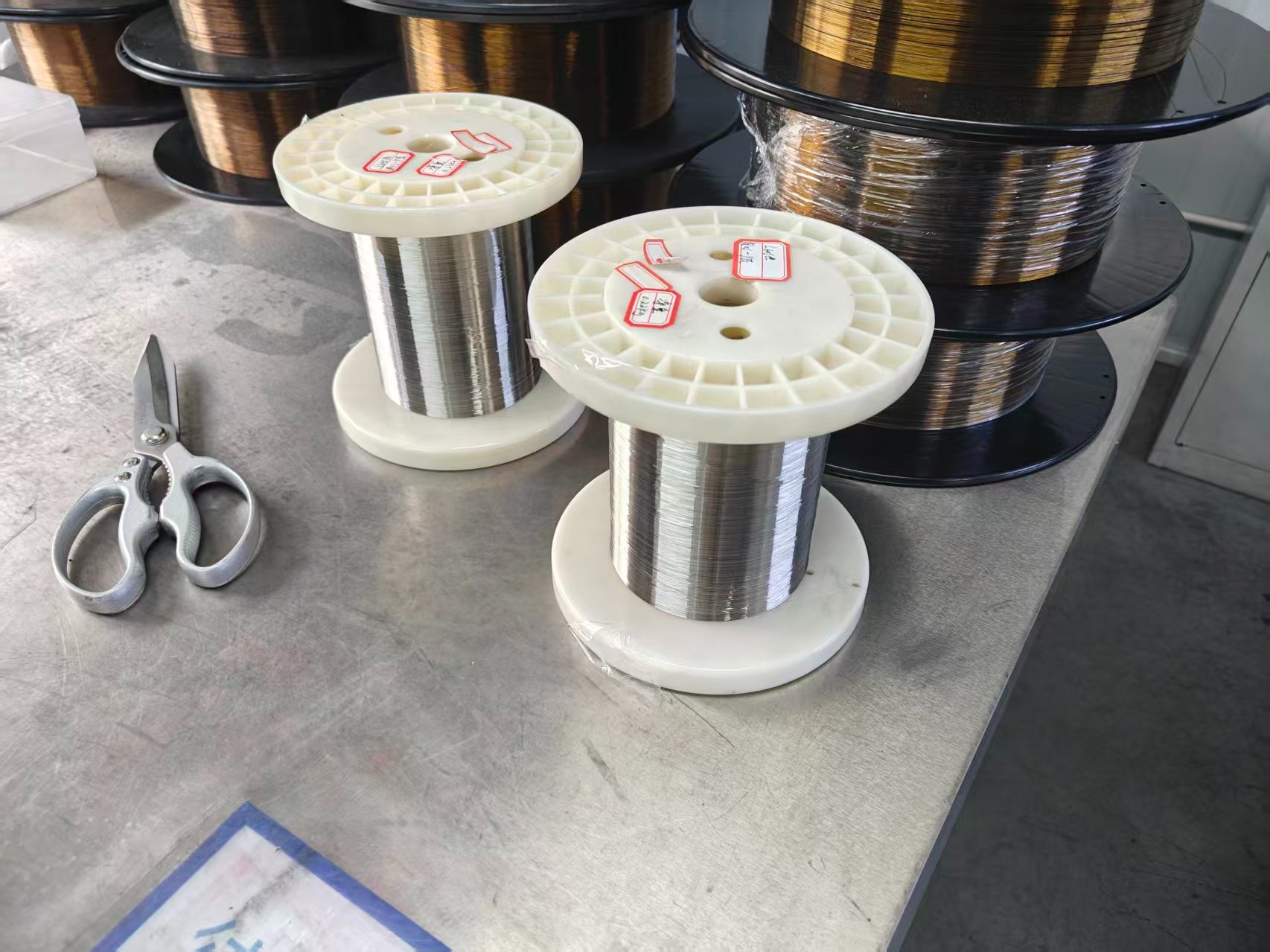
Conclusion
Both stainless steel and Nitinol wires play vital roles in modern healthcare. While stainless steel fits basic and rigid medical components, Nitinol drives innovation in next-generation interventional and implantable devices. Haolu Tech provides high-purity medical-grade Nitinol wire and customized material solutions to support global medical device manufacturers with reliable and consistent material supplies .