

Why Do Nitinol Wires Have Different Surface Colors?
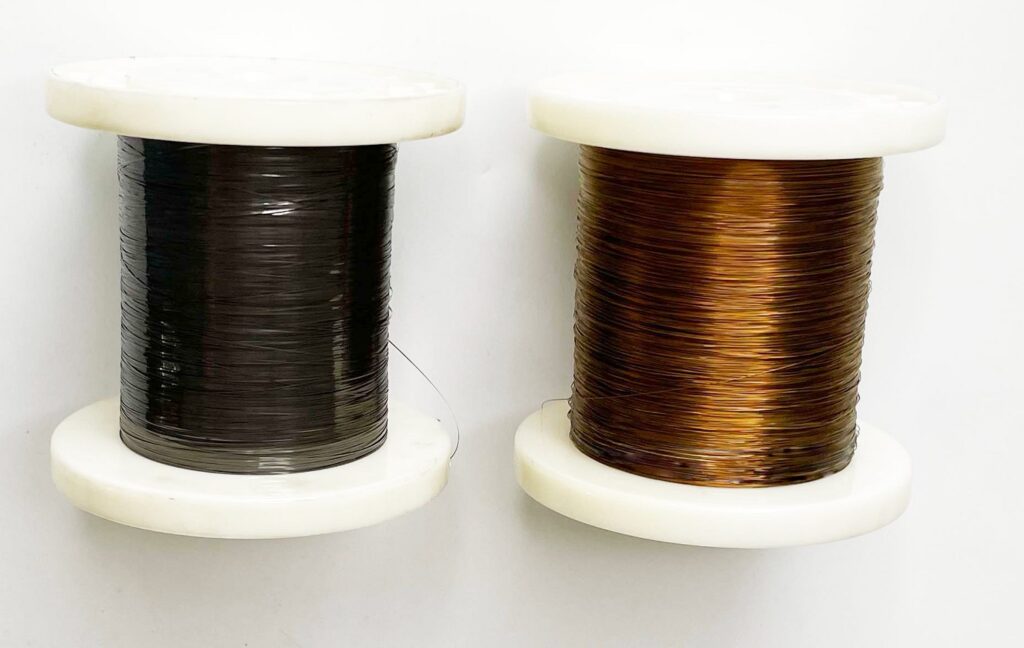
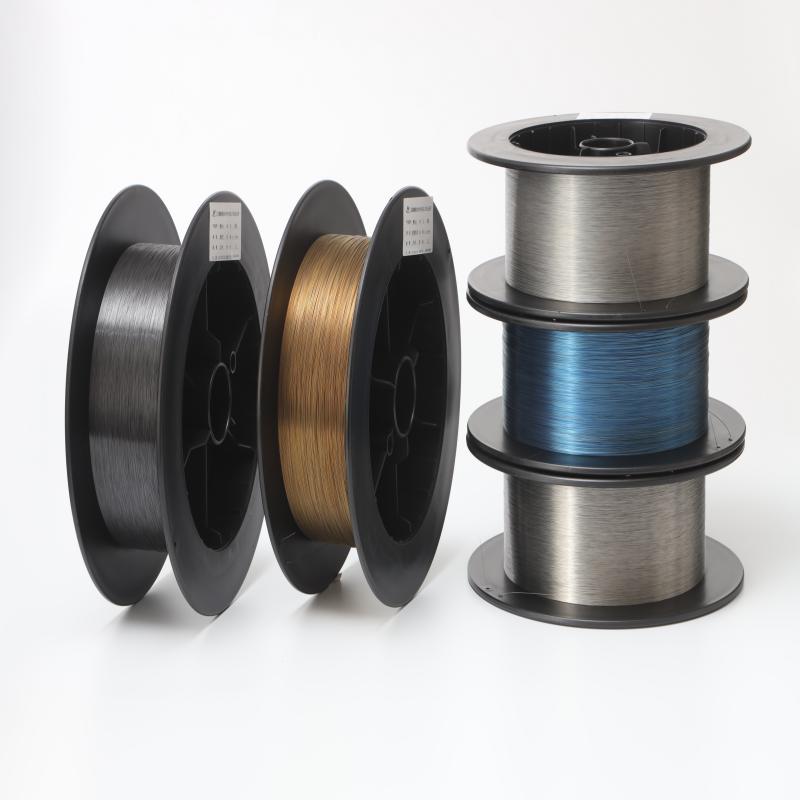
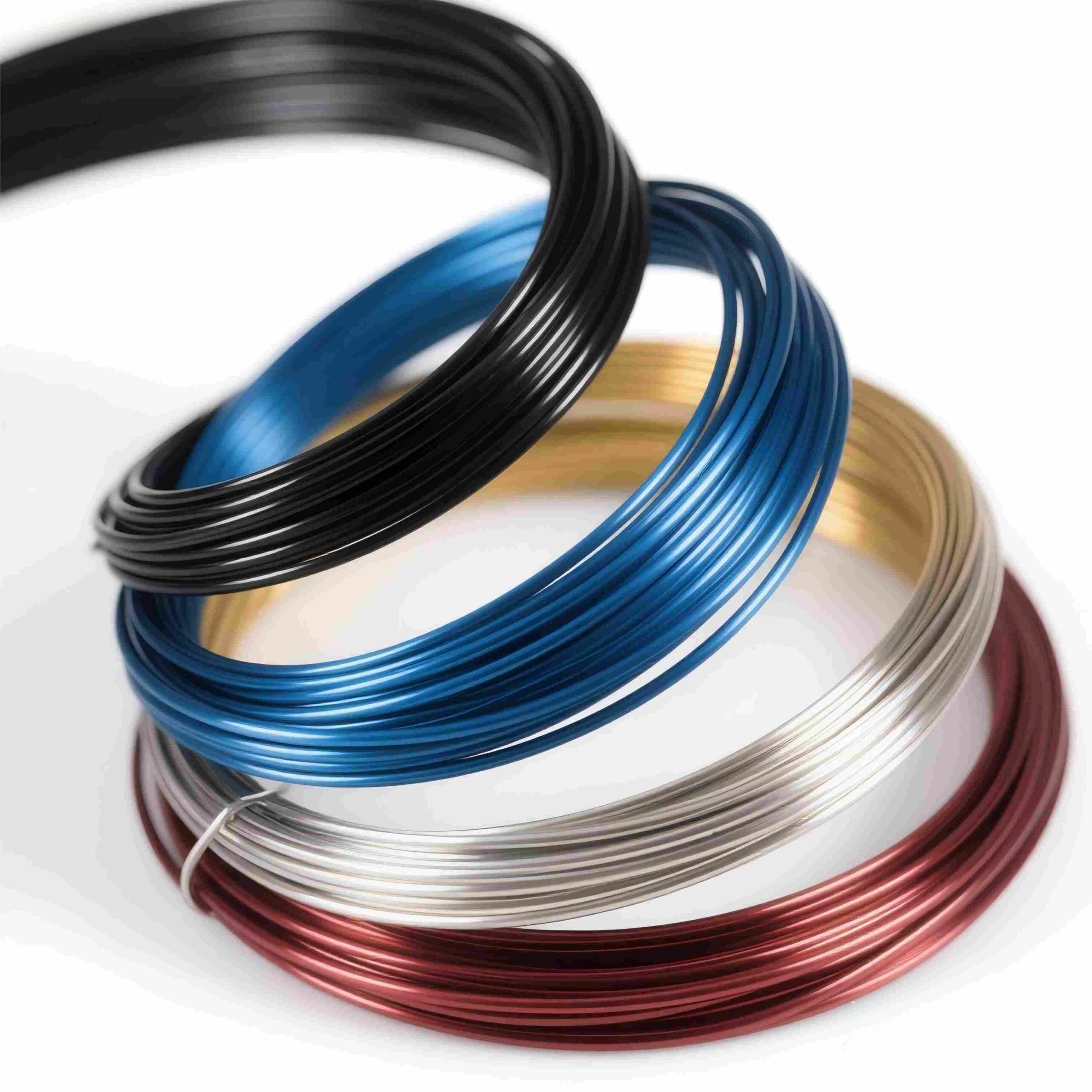
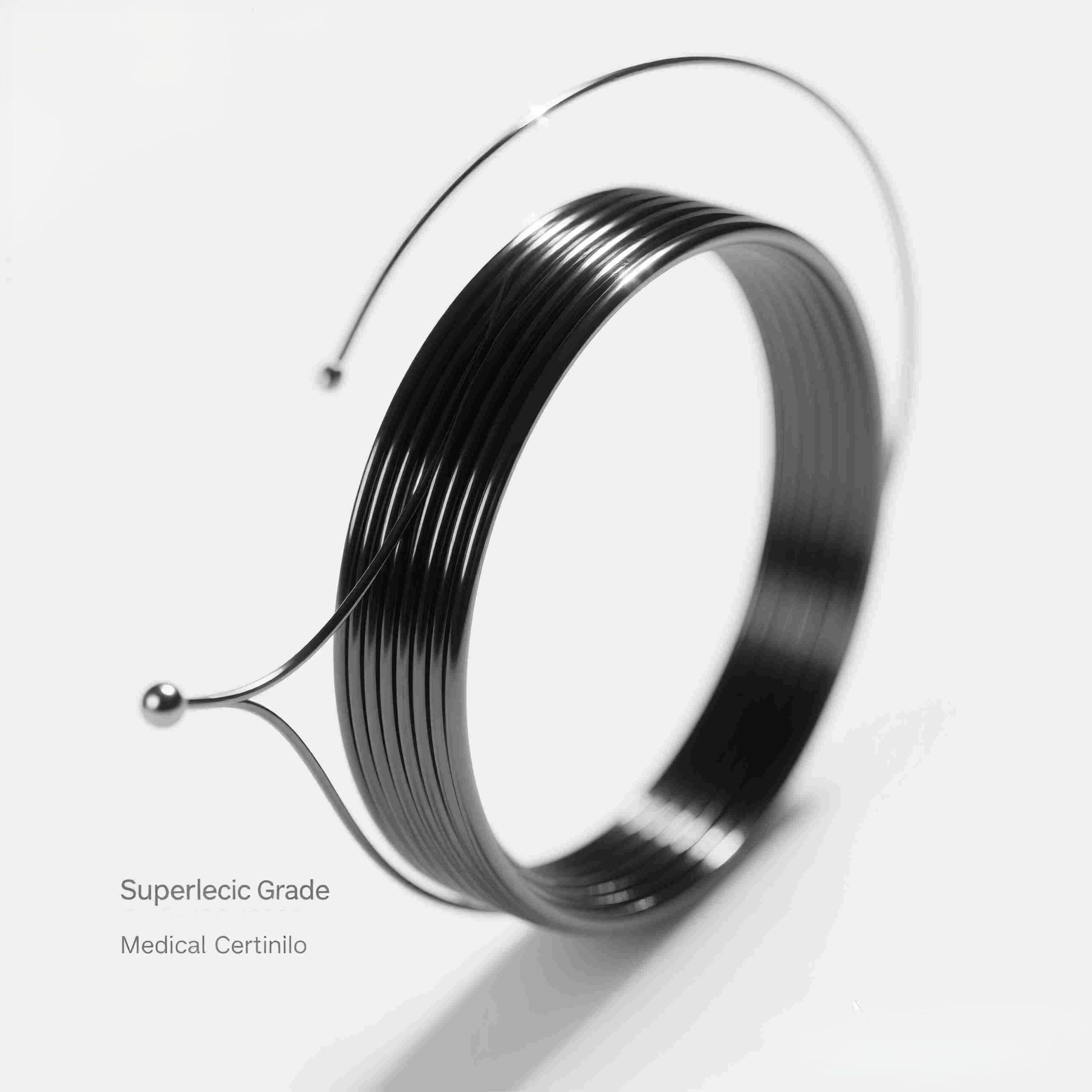
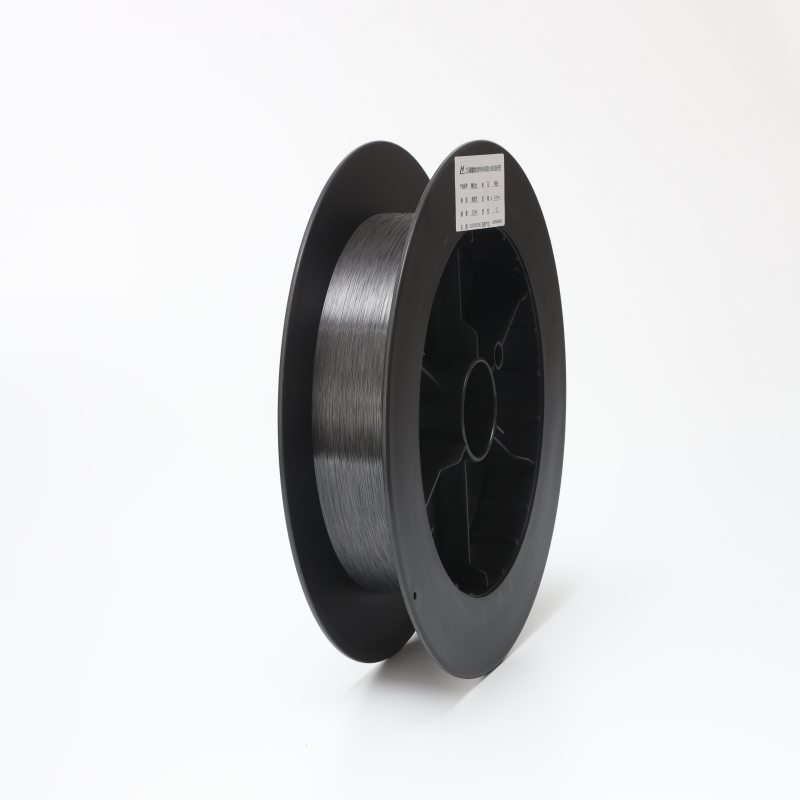
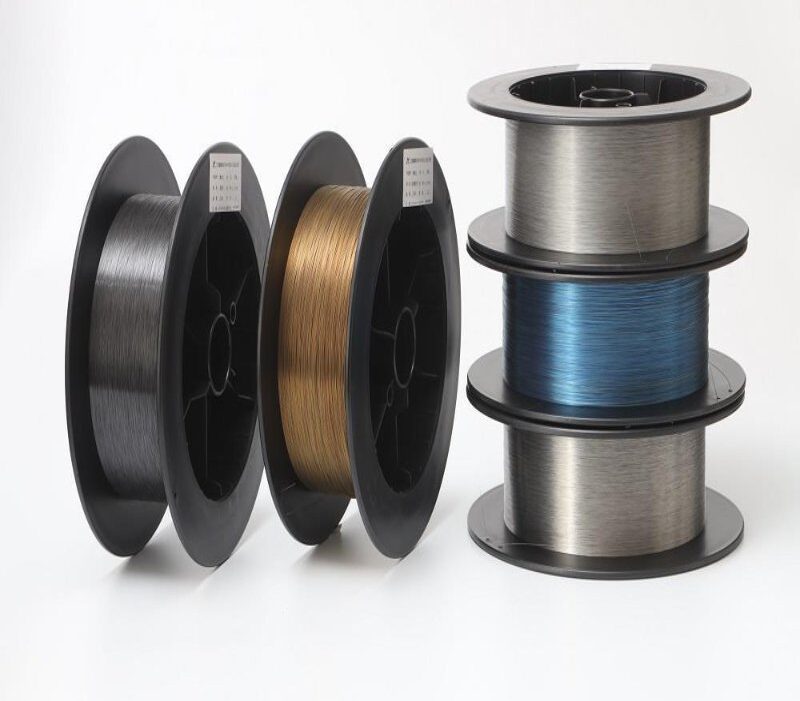
The different surface colors of Nitinol wire are mainly caused by variations in the thickness of the oxide layer formed during heat treatment. Understanding Nitinol Wire Surface Color is important for selecting the right material for specific applications, and examining the color can help determine the manufacturing process.
Several key process parameters influence the thickness of this titanium oxide (TiO₂) layer and determine the final Nitinol Wire Surface Color.
• Heat treatment temperature
• Duration of the heating process
• Oxygen concentration inside the furnace
• Methods used for post-treatment surface finishing
When the oxide layer thickness changes, light interference occurs on the surface, creating different colors — similar to the rainbow effect seen on soap bubbles. Heat treatment creates oxide layers of different thicknesses, resulting in different surface colors on Nitinol wire.

What Factors Affect the Color of Nitinol Wire
1. Heat Treatment Temperature (Most Critical Factor) Higher temperatures generally lead to stronger oxidation.
For example:
• Around 400°C → golden/yellow appearance
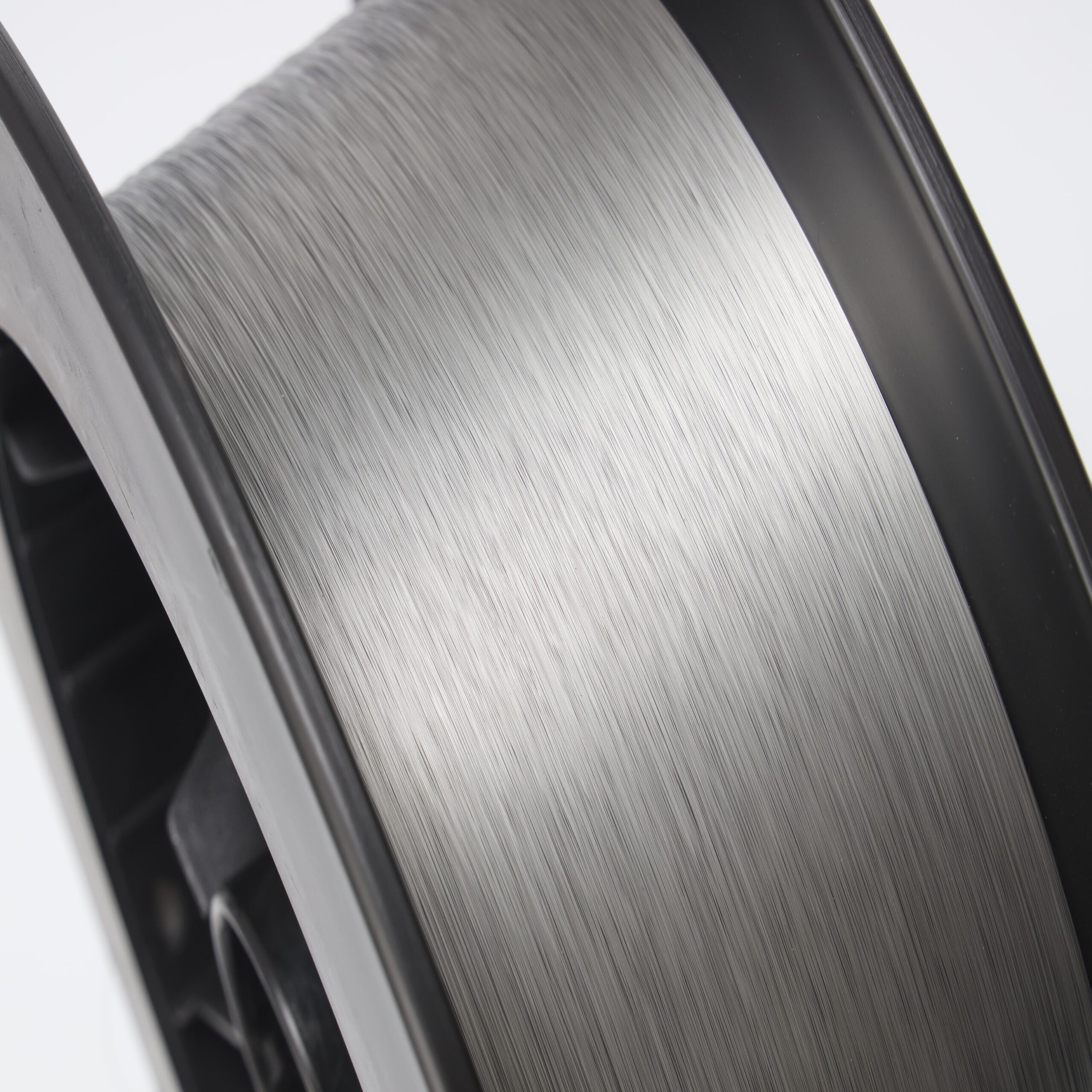
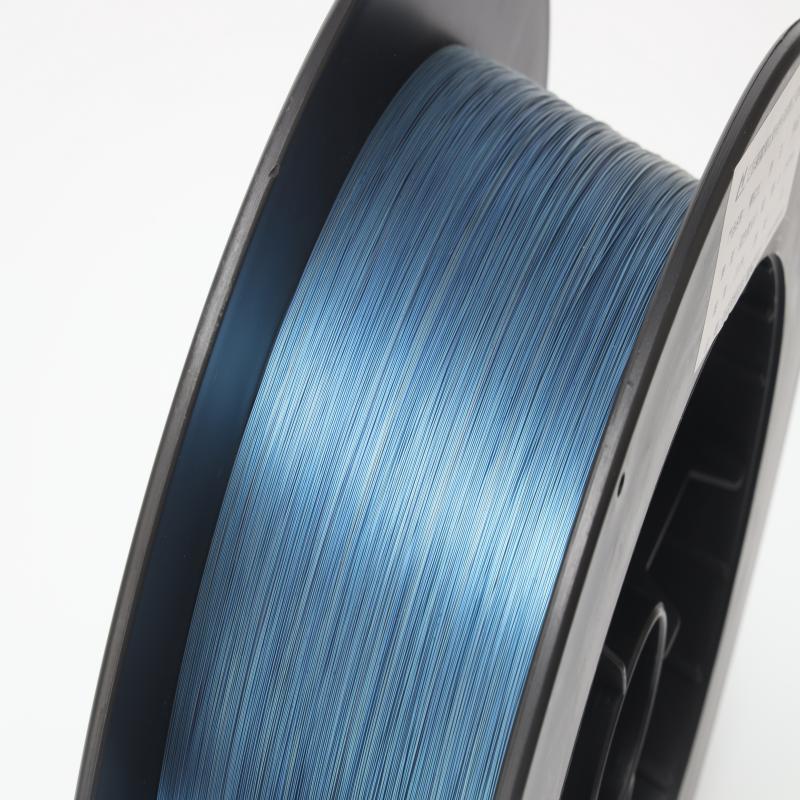
• Around 500°C → blue appearance • Higher temperatures → grayish surface
2. Longer holding time results in a thicker oxide layer. As a result, even at the same temperature, different heating durations can produce different surface colors. In addition, paying attention to Nitinol Wire Surface Color can help monitor heat treatment quality.
3. If the vacuum level is insufficient or the protective gas purity is low, oxidation becomes more severe. Consequently, the wire surface may appear darker after heat treatment.
4. Processes such as pickling and mechanical polishing can significantly change the final surface appearance. For example, pickling removes oxide layers, while mechanical polishing can create either bright or matte finishes.
For example:
• Pickling removes the oxide layer and produces a silver-white surface
• Mechanical polishing can create bright or matte finishes