

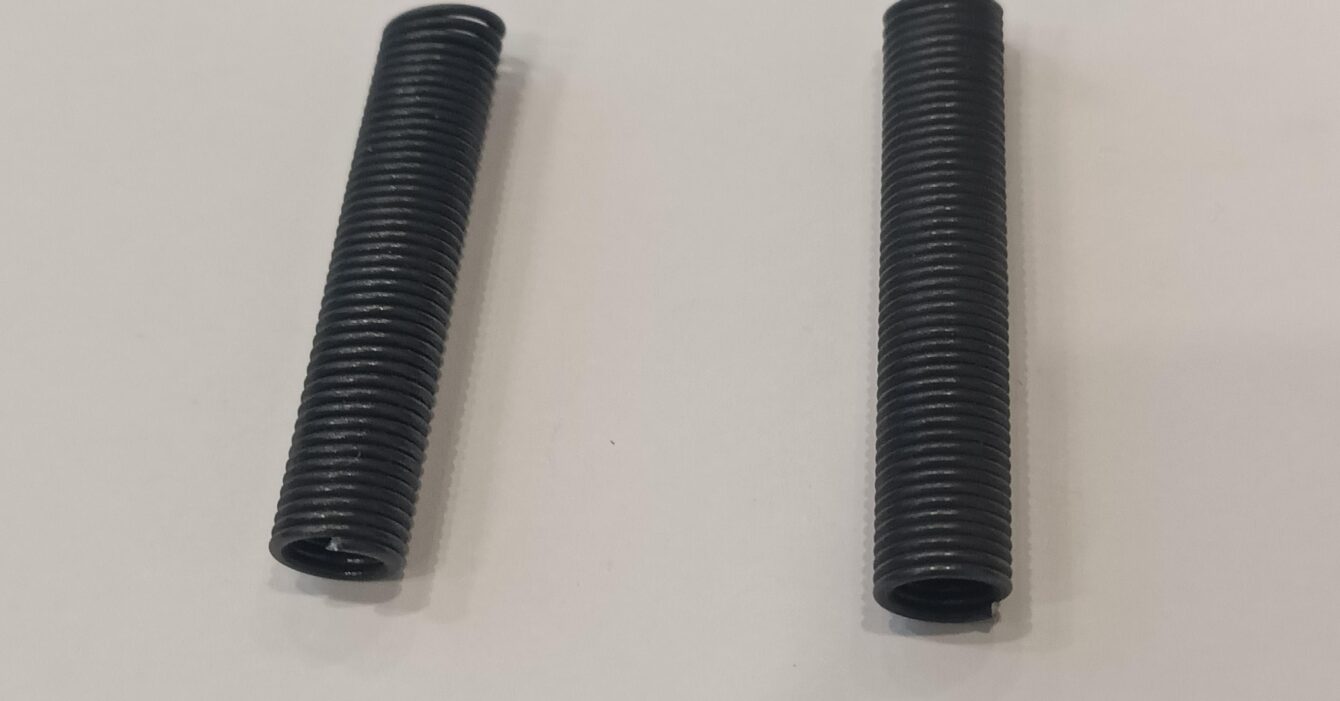
What Is a Nitinol Spring?
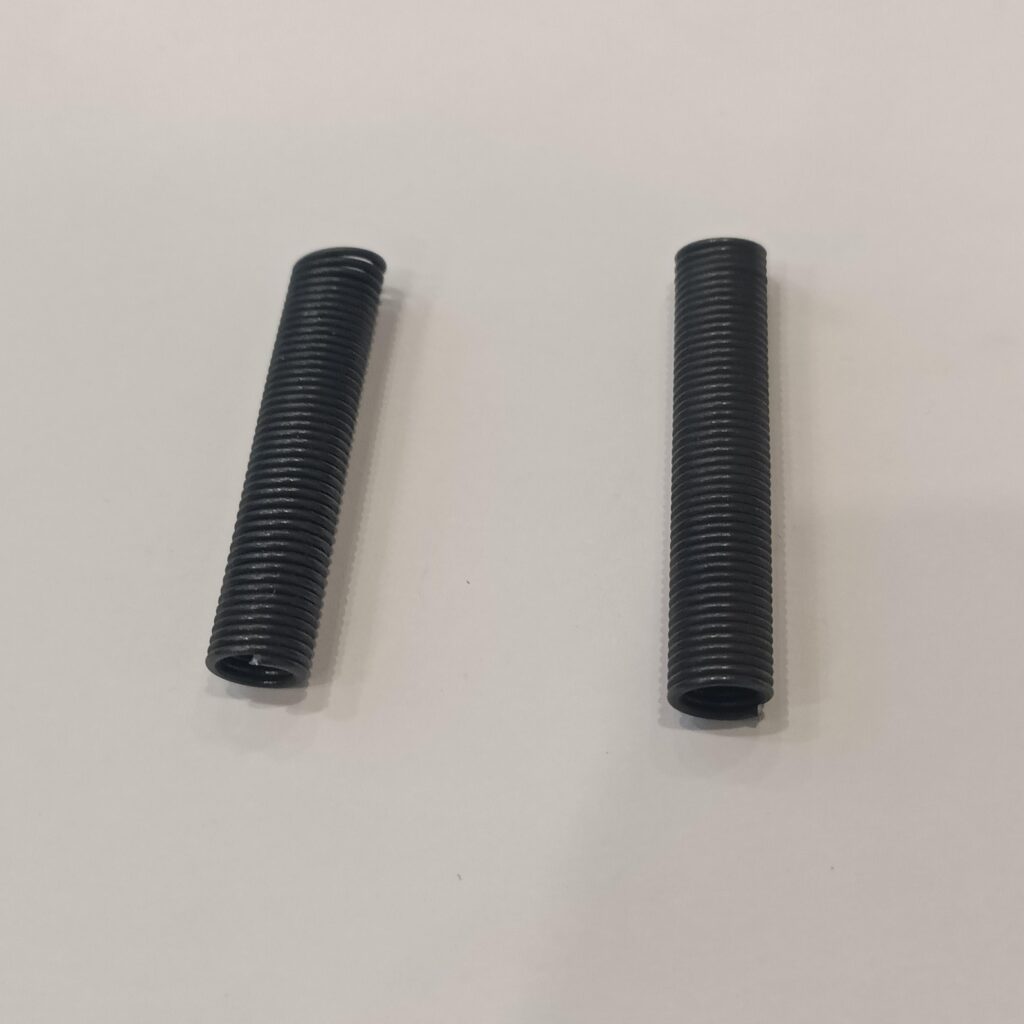
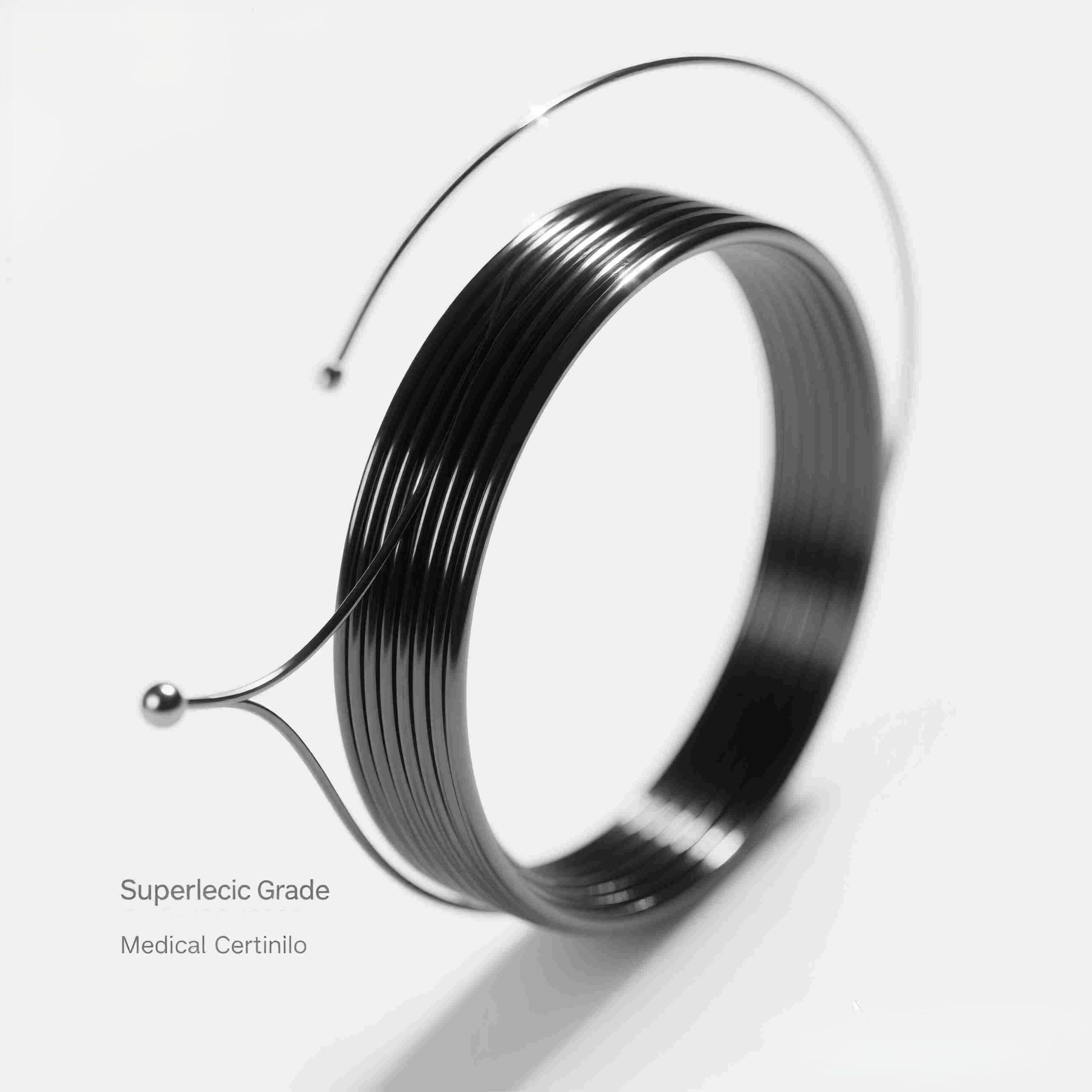
A Nitinol spring is a precision spring manufactured from Nickel-Titanium (NiTi) alloy.
Unlike stainless steel or music wire springs, Nitinol exhibits two remarkable properties:
- Shape Memory Effect
- Superelasticity
Depending on the heat treatment and alloy composition, the spring can either:
- Return to its original shape after deformation by heating.
- Recover immediately after large elastic deformation at room temperature.
This unique behavior makes Nitinol one of the most advanced spring materials available today.
Key Advantages of Nitinol Springs
1. Exceptional Superelasticity
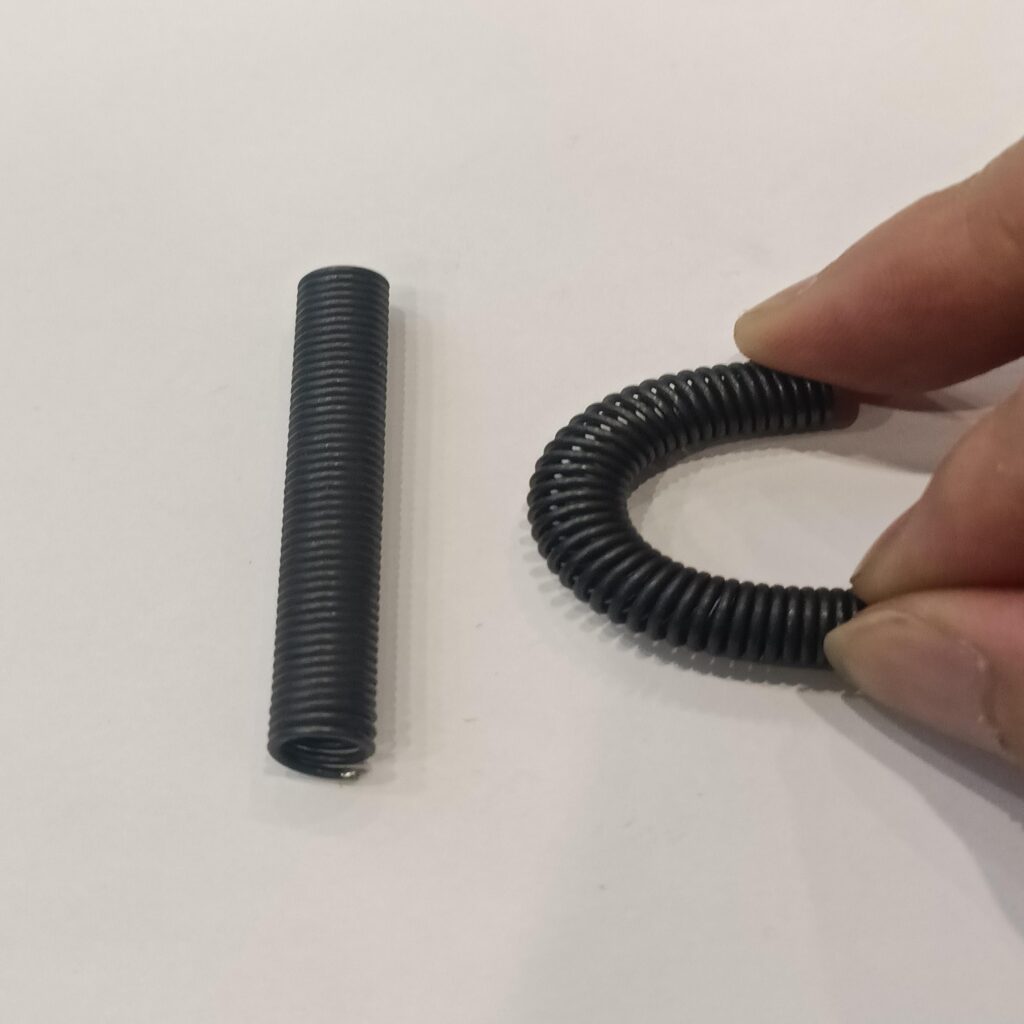
One of the biggest advantages is its ability to undergo extremely large deformation without permanent damage.
A stainless steel spring typically tolerates less than 1% recoverable strain.
A superelastic Nitinol spring can recover from strains up to approximately 8%, making it ideal for repeated bending, compression, and extension.
2. Shape Memory Function
When manufactured as a shape memory alloy, the spring can “remember” a preset geometry.
After deformation, heating above its transformation temperature allows the spring to recover its original shape automatically.
This capability is widely used in:
- Thermal actuators
- Smart valves
- Aerospace mechanisms
- Medical implants
3. Outstanding Fatigue Resistance
Many applications require millions of loading cycles.
Compared with conventional spring materials, Nitinol demonstrates outstanding fatigue performance under cyclic deformation, significantly extending service life.
4. Excellent Corrosion Resistance
A stable titanium oxide layer naturally forms on the surface of Nitinol.
This passive film provides excellent resistance against:
- Moisture
- Saline environments
- Human body fluids
- Mild chemicals
Therefore, Nitinol is widely used for implantable medical devices.
5. Biocompatibility
Medical-grade Nitinol has been extensively used in vascular stents, guidewires, orthodontic wires, and many other implantable devices. Numerous studies have shown that the biocompatibility of Nitinol largely depends on the stability of its titanium oxide (TiO₂) surface layer, which minimizes nickel ion release and enhances corrosion resistance. Comprehensive reviews published in PubMed discuss how surface treatments such as electropolishing and passivation further improve the biological performance of Nitinol implants. Related review: Surface Finishing of Nitinol for Implantable Medical Devices (PubMed)
Common Types of Nitinol Springs
Compression Springs
Designed to resist compressive loads.
Typical applications:
- Medical catheters
- Valve systems
- Precision instruments
Extension Springs
Designed to operate under tensile loads.
Typical applications:
- Robotics
- Aerospace mechanisms
- Smart actuators
Torsion Springs
Generate torque through angular deformation.
Typical applications:
- Micro-mechanical assemblies
- Precision control devices
Custom Shaped Springs
Many applications require customized geometries rather than standard cylindrical springs.
Manufacturers can produce:
- Conical springs
- Variable pitch springs
- Miniature springs
- Micro springs
- Special-shaped springs
How Are Nitinol Springs Manufactured?
The production of precision Nitinol springs requires strict control throughout the manufacturing process.
Typical production includes:
Material Preparation
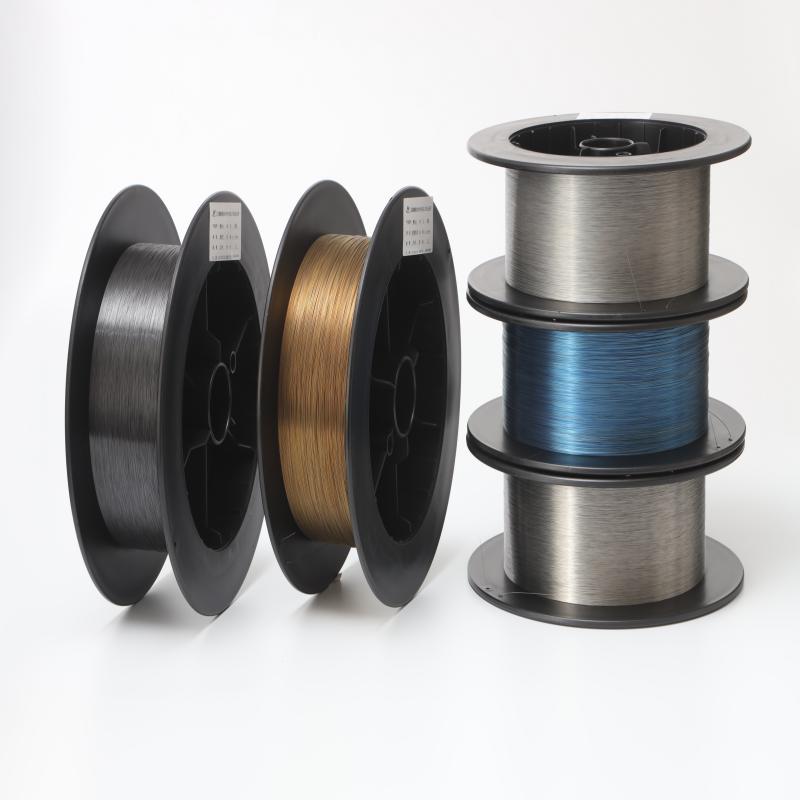
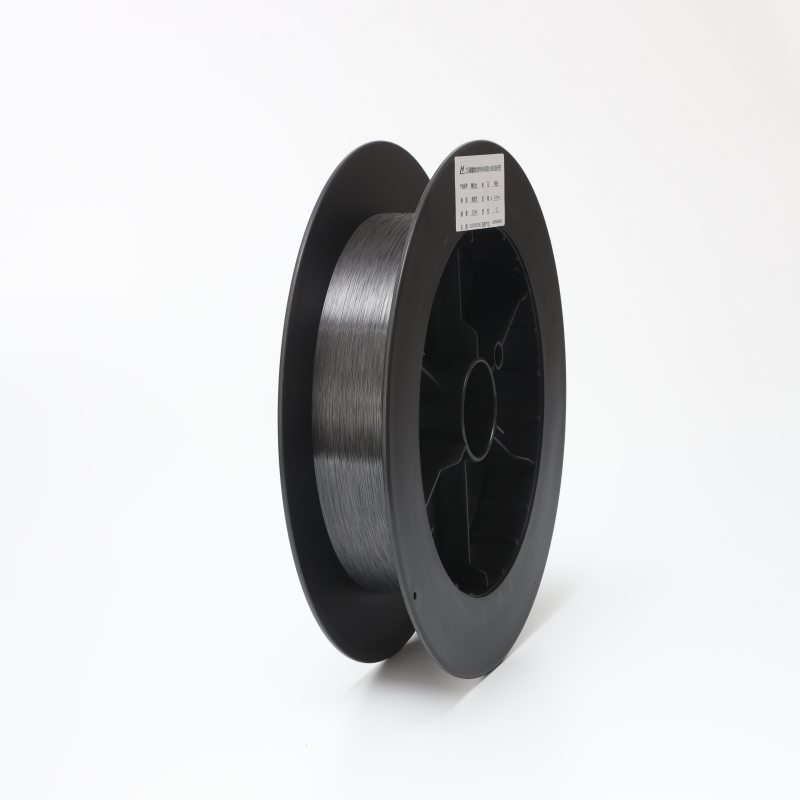
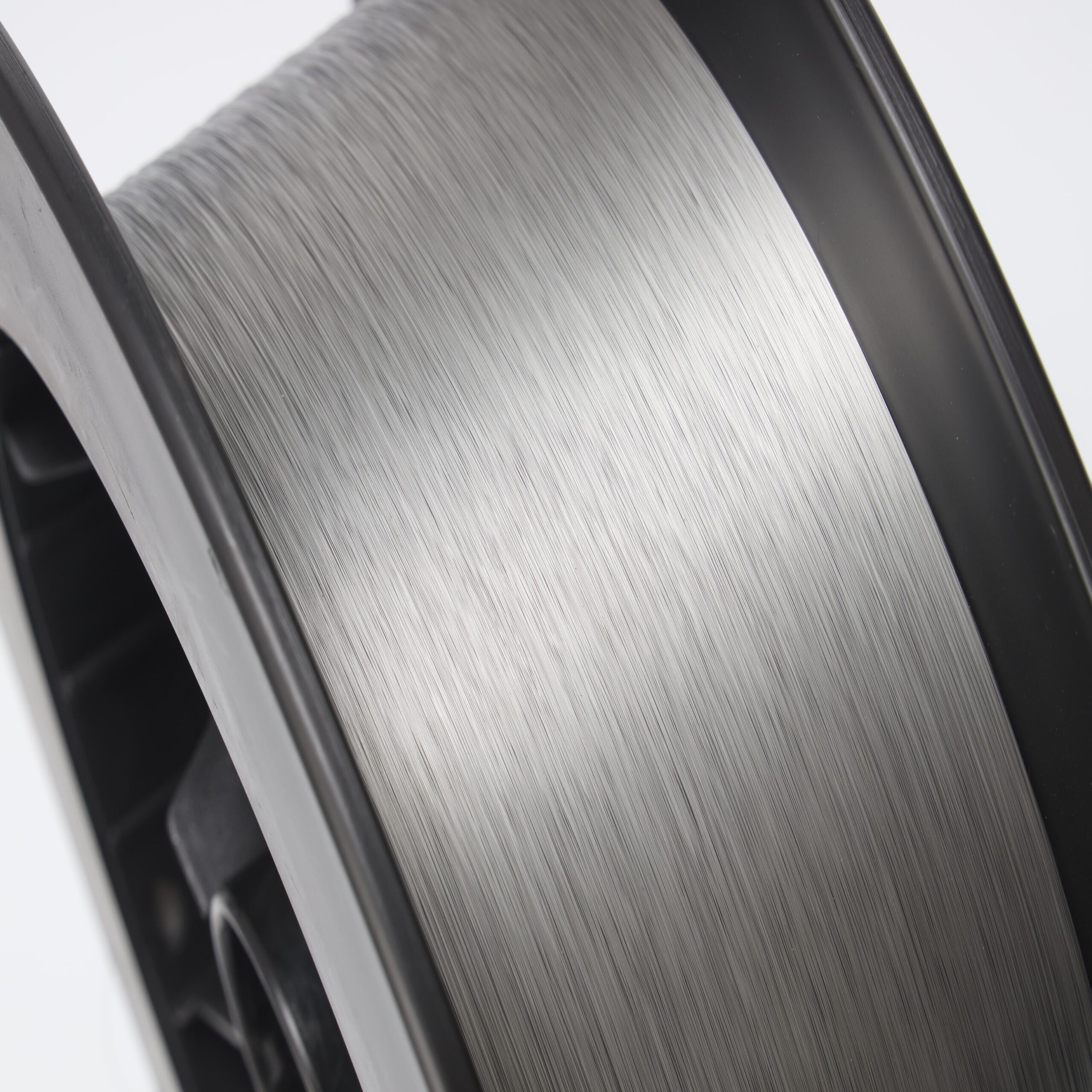
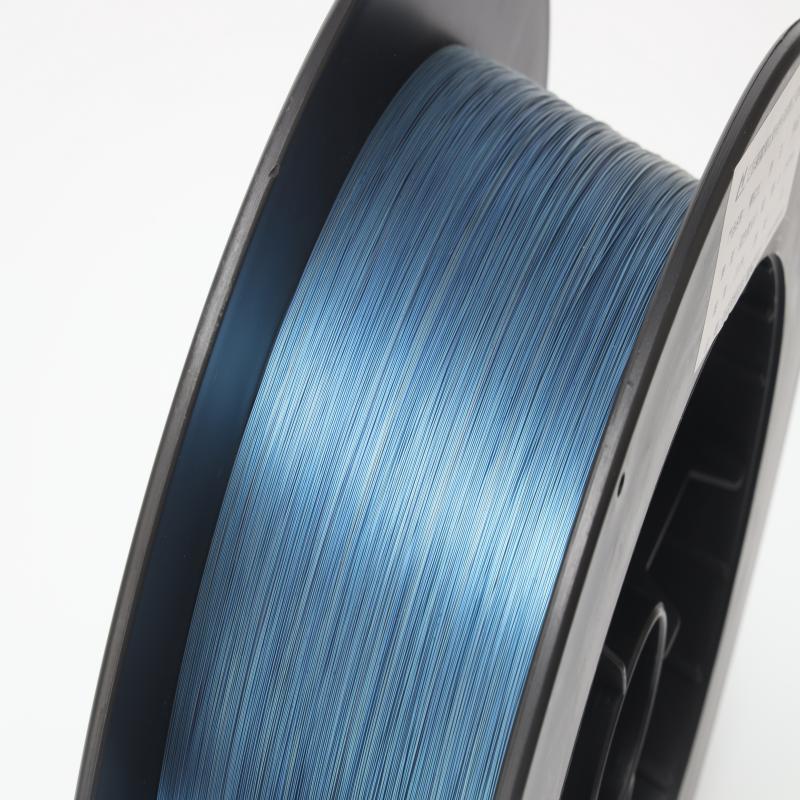
Medical-grade Nitinol wire is selected according to:
- Diameter tolerance
- Transformation temperature (Af)
- Mechanical properties
- Surface finish
Precision Coiling
The wire is wound around precision mandrels using CNC spring coiling equipment.
This determines:
- Outer diameter
- Coil pitch
- Number of turns
- Spring length
Shape Setting Heat Treatment
The coiled spring undergoes heat treatment to permanently set its geometry.
Typical processing temperatures range between 400°C and 550°C, depending on the required mechanical properties.
This stage is critical for achieving stable superelastic or shape memory performance.
Surface Treatment
Depending on customer requirements, springs may receive:
- Pickling
- Electropolishing
- Oxide removal
- Passivation
- Ultrasonic cleaning
These treatments improve corrosion resistance and surface quality.
Quality Inspection
Each production batch is inspected for:
- Dimensions
- Surface defects
- Mechanical properties
- Transformation temperature
- Spring force
- Elastic recovery
Typical Applications of Nitinol Springs
Medical Devices
Nitinol springs are widely used in:
- Catheters
- Endoscopic instruments
- Surgical tools
- Guidewire systems
- Implant delivery devices
Aerospace
Applications include:
- Thermal actuators
- Self-deploying mechanisms
- Lightweight precision assemblies
Robotics
Because of their flexibility and fatigue resistance, Nitinol springs are increasingly used in:
- Soft robotics
- Precision manipulators
- Smart grippers
Industrial Automation
Examples include:
- Precision valves
- Sensors
- Temperature-controlled switches
- Compact actuators
Nitinol Spring vs Stainless Steel Spring
| Feature | Nitinol Spring | Stainless Steel Spring |
|---|---|---|
| Elastic Recovery | Excellent | Moderate |
| Shape Memory | Yes | No |
| Superelasticity | Yes | No |
| Fatigue Resistance | Excellent | Good |
| Corrosion Resistance | Excellent | Good |
| Biocompatibility | Excellent | Limited |
| Cost | Higher | Lower |
How to Choose the Right Nitinol Spring
When ordering a custom Nitinol spring, engineers typically specify:
- Wire diameter
- Coil diameter
- Free length
- Number of active coils
- Spring rate
- Working load
- Transformation temperature (Af)
- Superelastic or shape memory behavior
- Surface finish
- Quantity
Providing these parameters allows manufacturers to recommend the most suitable production process.
Why Choose Jiangyin Haolu for Custom Nitinol Springs?
At Jiangyin Haolu Ni Ti Material Products Co., Ltd., we specialize in manufacturing high-quality Nitinol components for medical and industrial applications.
Our capabilities include:
- Medical-grade Nitinol wire
- Precision Nitinol springs
- Nitinol tubes
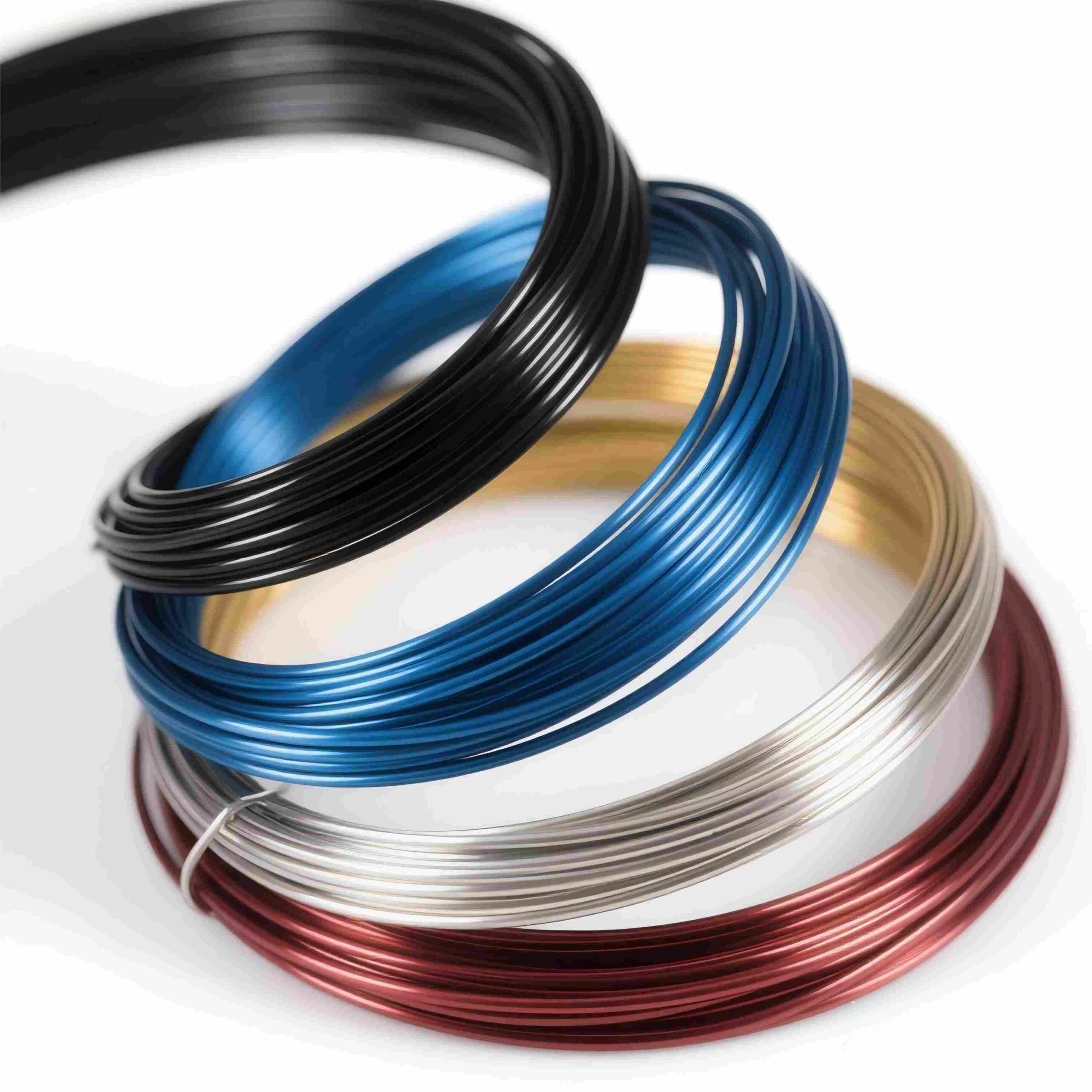
- Flat wire
- Shape-setting services
- Custom dimensions
- Prototype production
- Small and large batch manufacturing
- Strict quality inspection
Looking for Custom Nitinol Springs?
Whether you need prototype quantities or large-scale production, our engineering team can manufacture custom Nitinol compression springs, extension springs, and special-shaped springs according to your drawings or specifications.
Explore our product page to view available specifications, customization options, and manufacturing capabilities.
Frequently Asked Questions
Are Nitinol springs magnetic?
No. Nitinol is generally considered non-magnetic or only weakly magnetic, making it suitable for many sensitive applications.
Can Nitinol springs be customized?
Yes. Nearly every parameter—including wire diameter, spring diameter, pitch, length, transformation temperature, and surface finish—can be customized.
What is the difference between shape memory and superelastic Nitinol springs?
Shape memory springs recover their original shape after heating above the transformation temperature, while superelastic springs recover instantly after unloading at temperatures above the austenite finish (Af) temperature.
Are Nitinol springs suitable for medical devices?
Yes. Medical-grade Nitinol is widely used in minimally invasive surgical devices due to its biocompatibility, flexibility, and fatigue resistance.
Conclusion
Nitinol springs combine superelasticity, shape memory, corrosion resistance, and long fatigue life into a single advanced material. These properties make them an excellent choice for demanding applications where conventional spring materials cannot meet performance requirements.
As medical technology, robotics, and precision engineering continue to evolve, Nitinol springs are becoming an increasingly important solution for innovative product designs.