

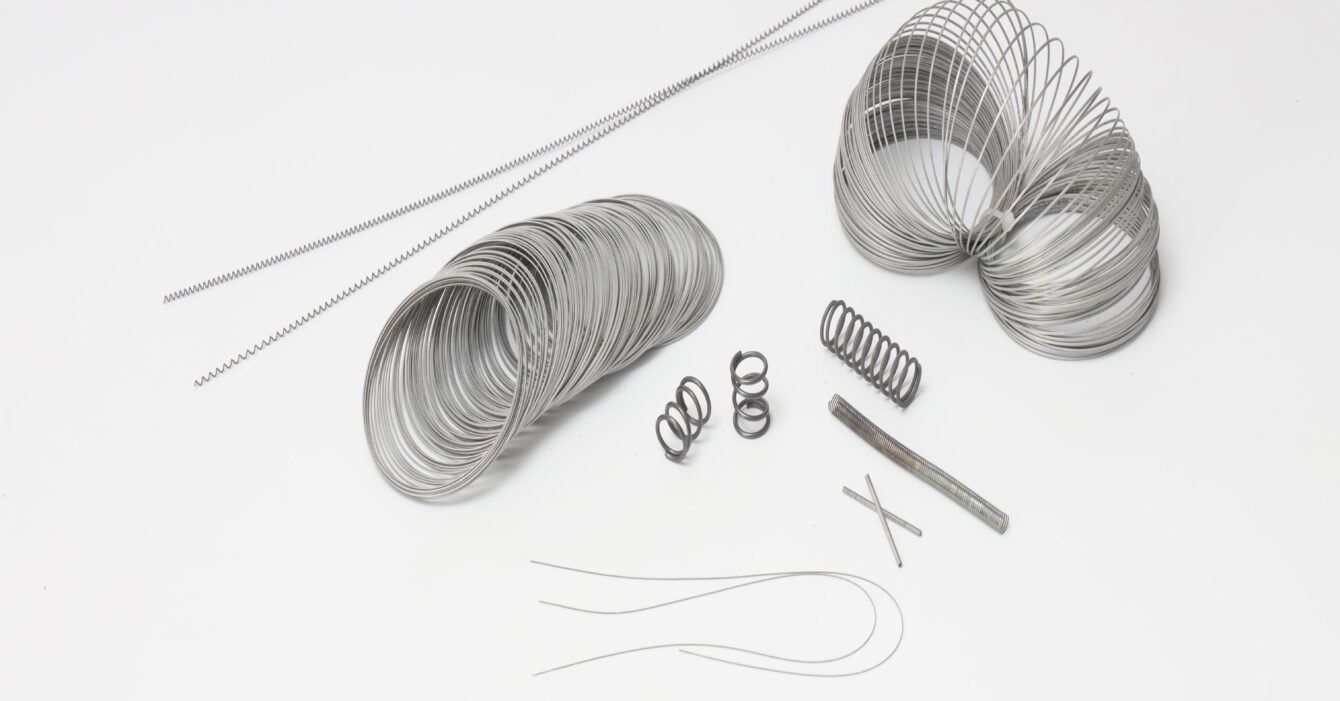
What Is Nitinol Shape Setting?
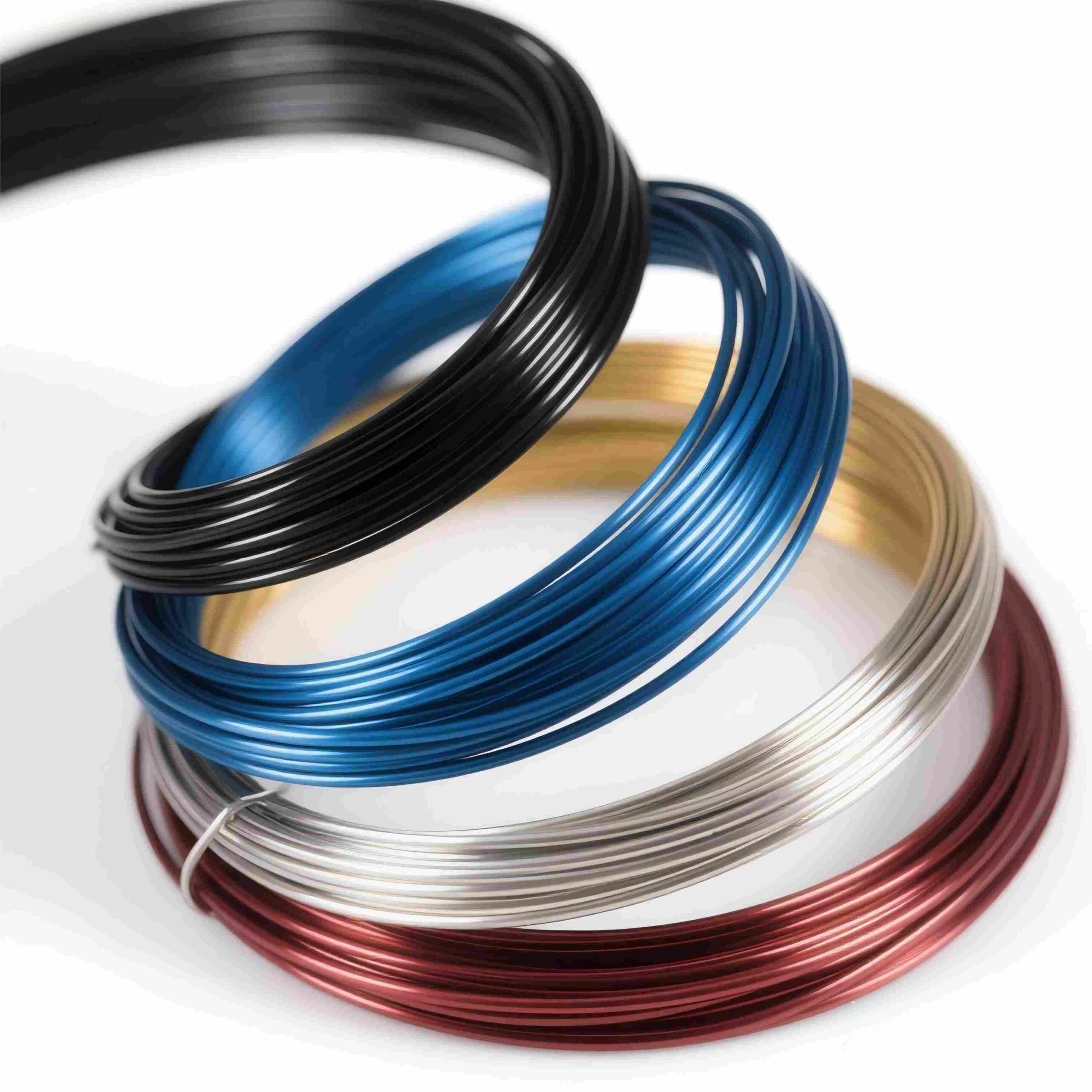
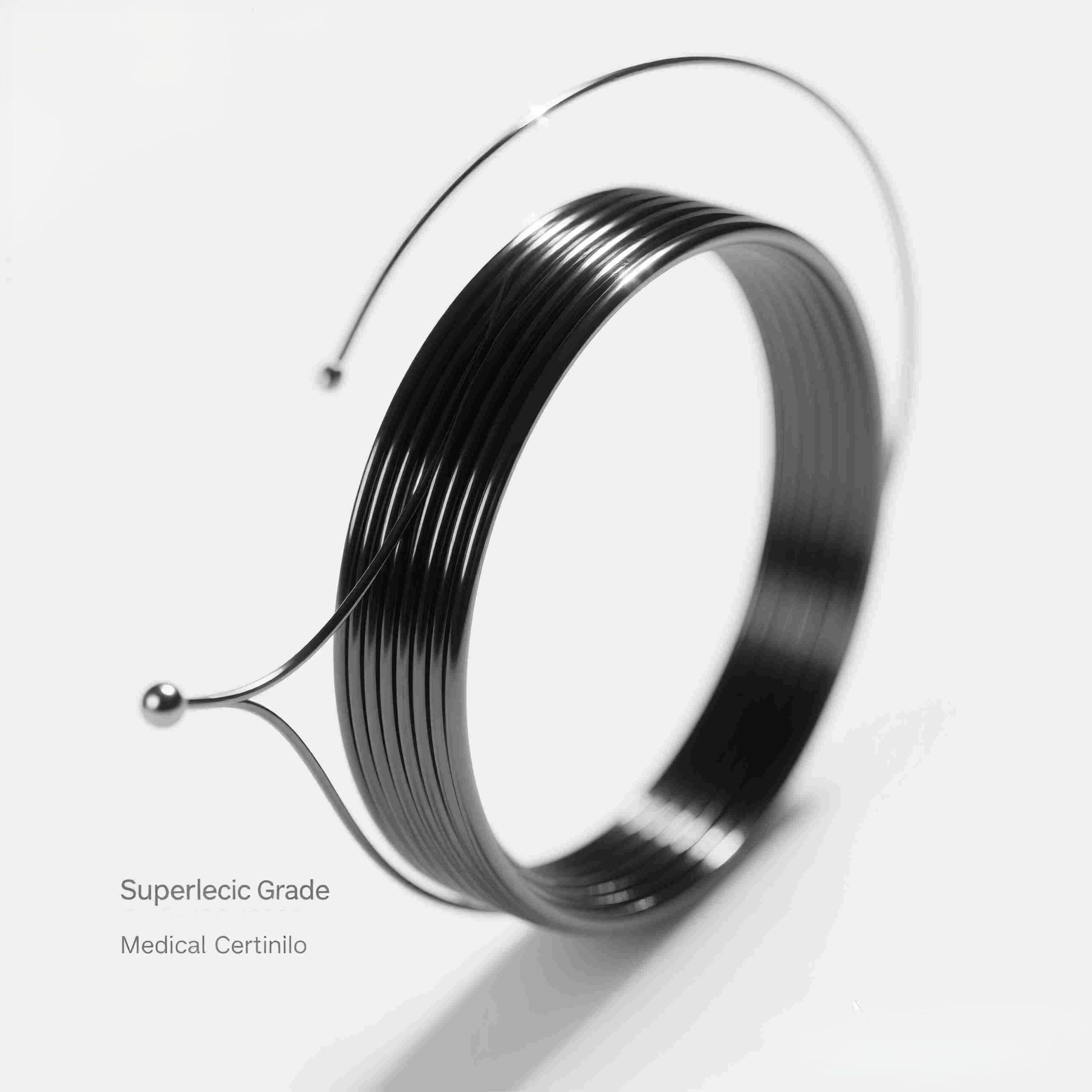
Manufacturers use nitinol wire shape setting to permanently program a target shape into Nitinol alloy parts. During production, operators clamp the wire inside a fixture and heat it at a fixed temperature for a set duration. Once cooled, the Nitinol wire retains its preset shape; temperature shifts or mechanical unloading trigger its shape-recovery feature.
Shape setting is one of the most important manufacturing steps for medical devices, industrial actuators, aerospace components, and consumer products made from Nitinol.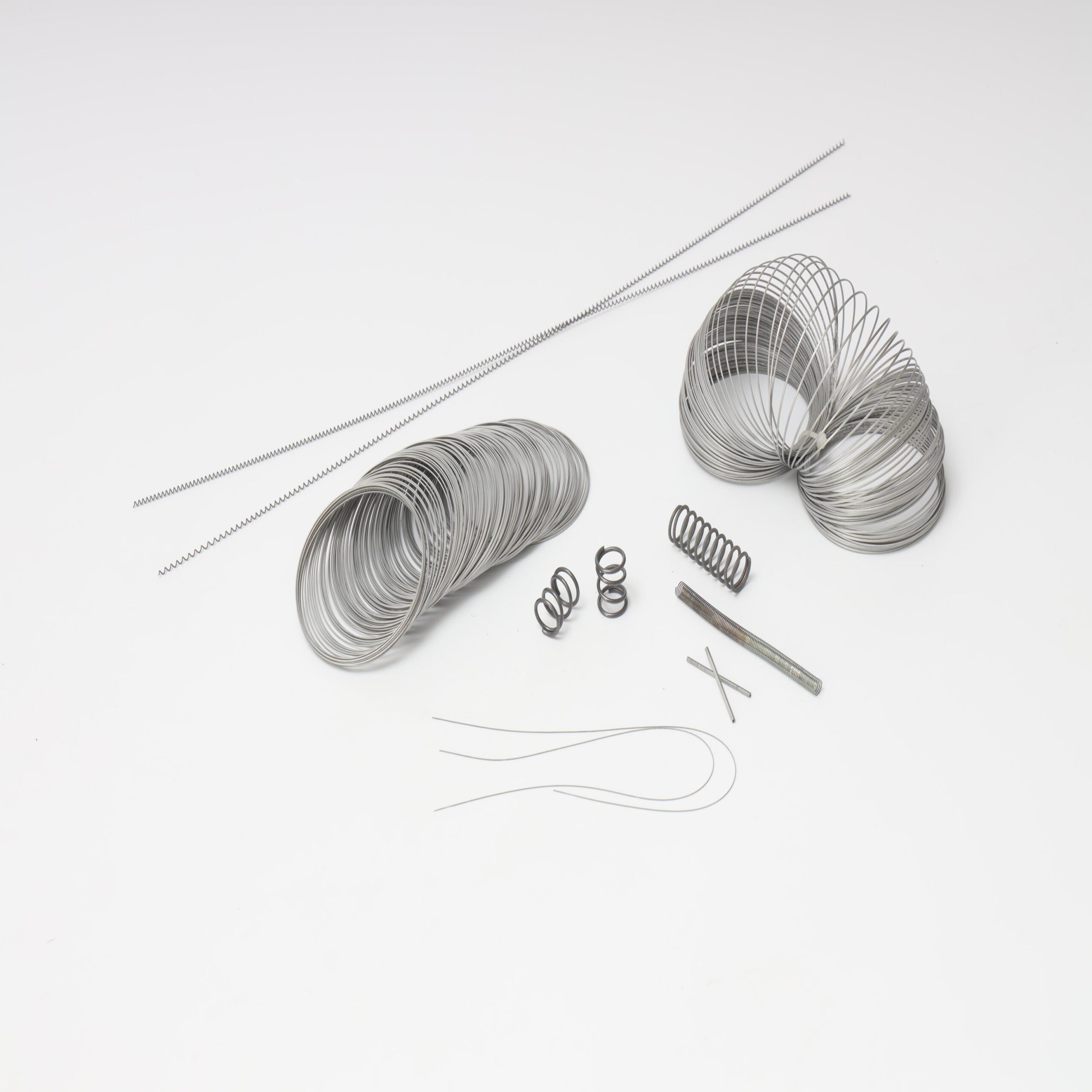
Why Is Nitinol Shape Setting Necessary?
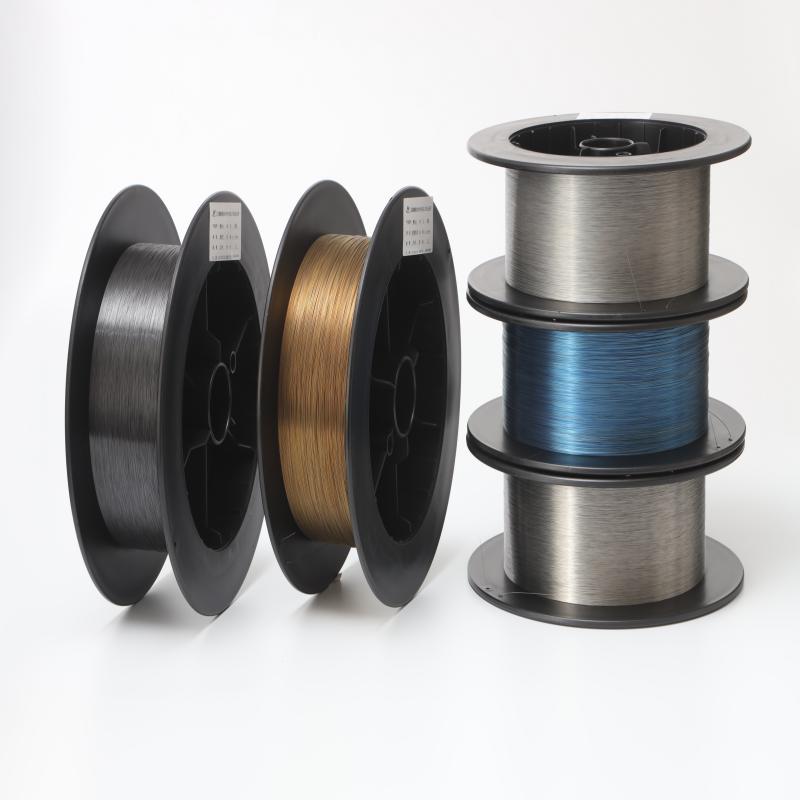
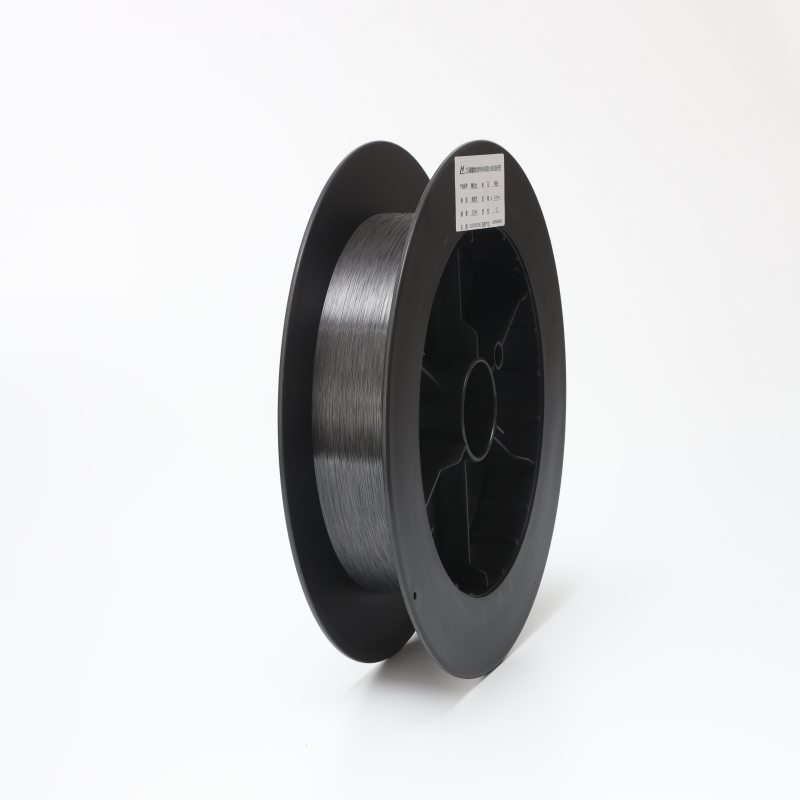
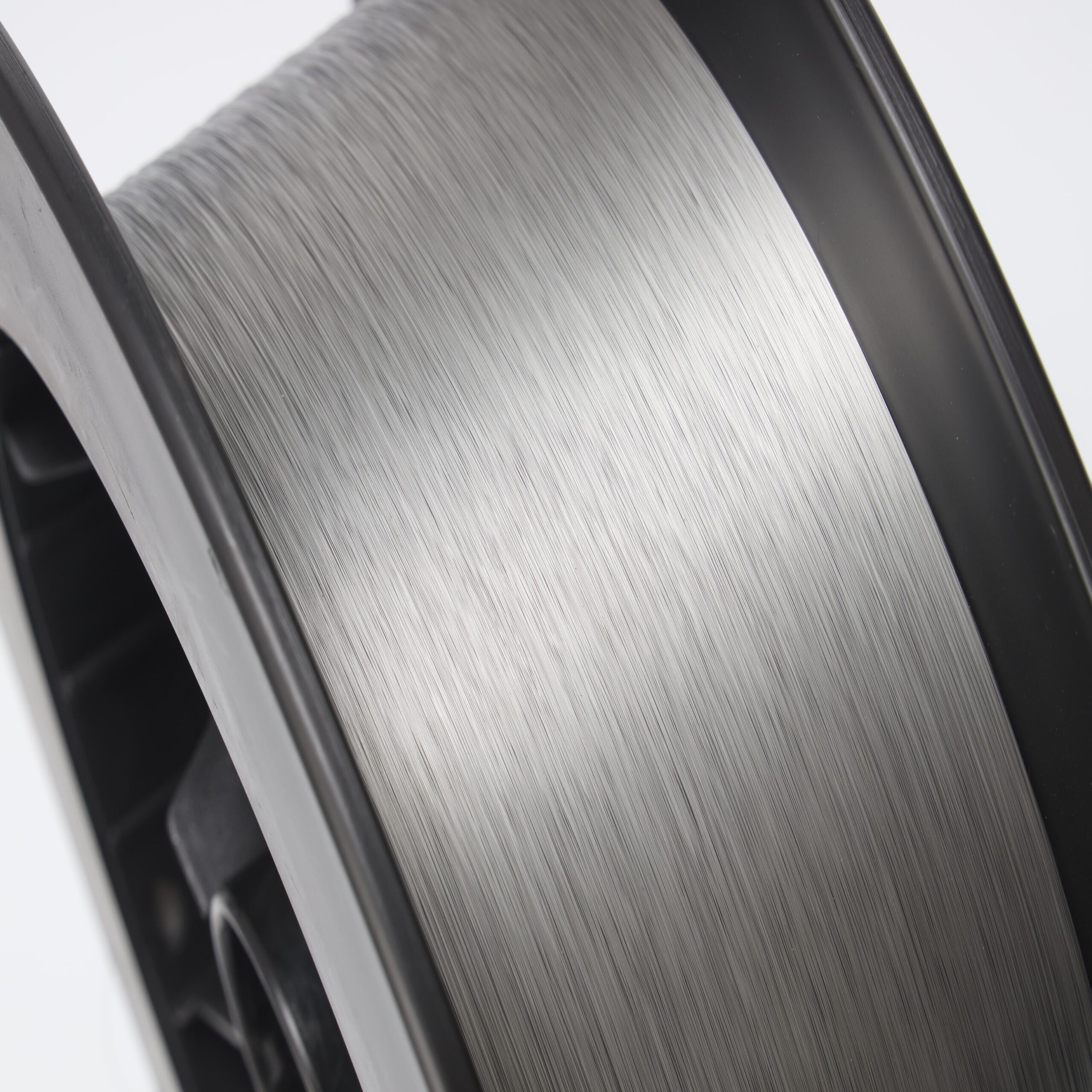
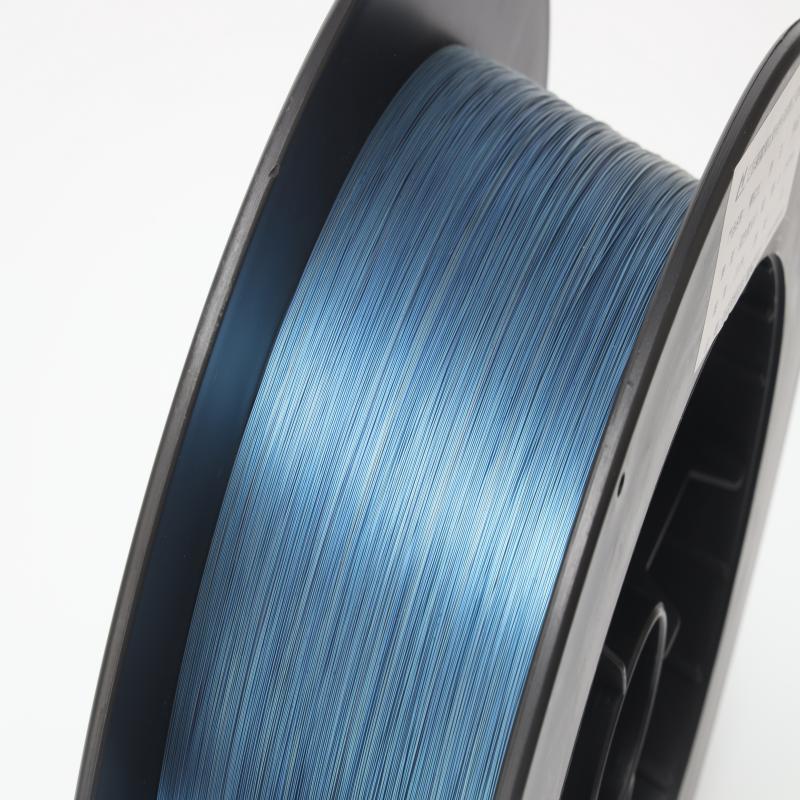
Suppliers deliver raw Nitinol wire mostly in straight or coiled form. Manufacturers need shape setting to bend the raw stock into functional forms like loops, springs, baskets, stents and custom medical components.
This process delivers three core benefits:
- Activate the shape memory effect
- Optimize superelastic performance
- Secure consistent dimensional precision
Proper shape setting lets Nitinol products deliver stable, pre-engineered mechanical performance. Without this step, finished parts fail to work as designed.
Nitinol Shape Setting Process
Step 1: Mold Preparation
Workers mount the wire into a high-temperature resistant custom mold. Fabricators commonly build these molds from tool steel or ceramic. The mold locks the wire into the finished target geometry.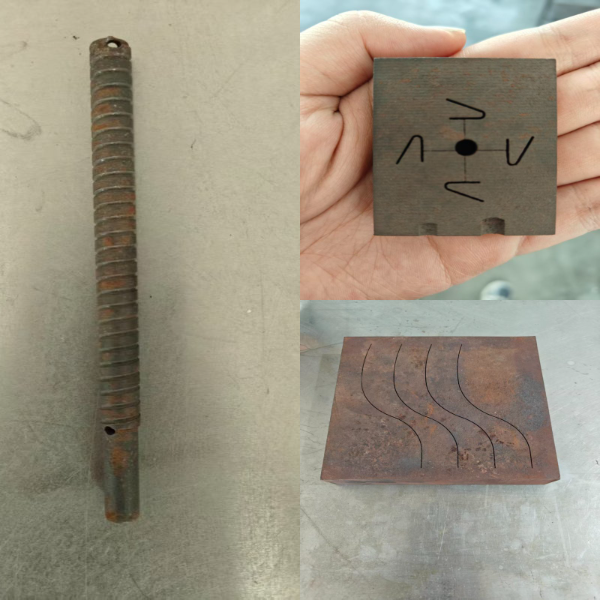
Step 2: Heat Treatment
The mold containing the wire is loaded into a furnace and heated to a predetermined temperature.
Typical shape-setting temperatures range from: 400–500°C
Holding times generally range from: 1 to 20 minutes
(The specific value depends on wire diameter and desired mechanical properties)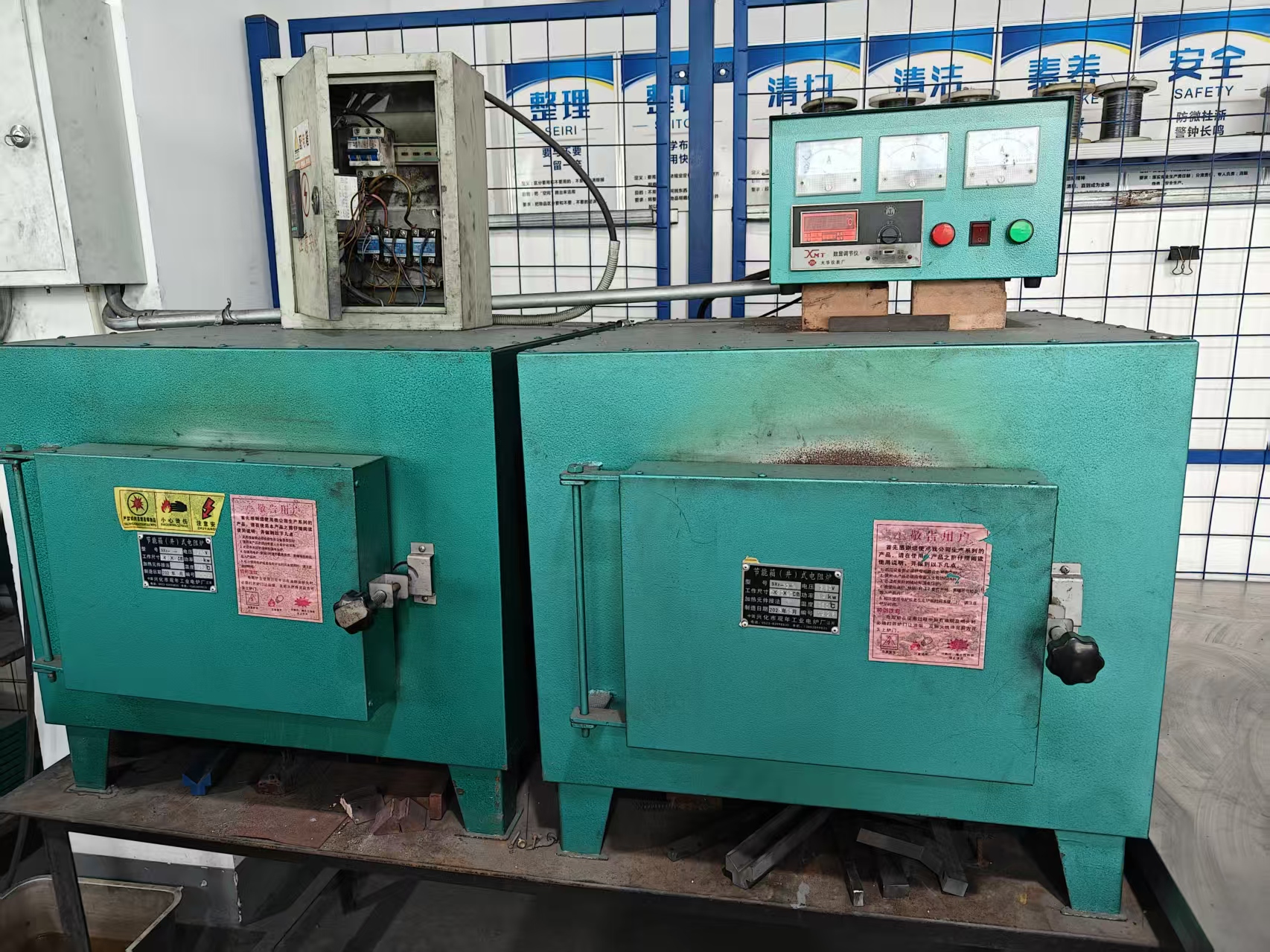
Step 3: Cooling
After heat treatment, the component is cooled.
Common cooling methods include: air cooling and water quenching.
(The selected cooling method can influence transformation temperatures and final mechanical properties.)
Step 4: Inspection and Testing
Technicians run full performance checks right after shape setting. Quality inspectors verify all finished wires against design standards and test five key indicators:
- Dimensional accuracy
- Surface finish quality
- Shape recovery capability
- Transformation temperature (Af)
- Core mechanical properties
Once products clear all quality checks, production staff complete the full shape-setting workflow.