

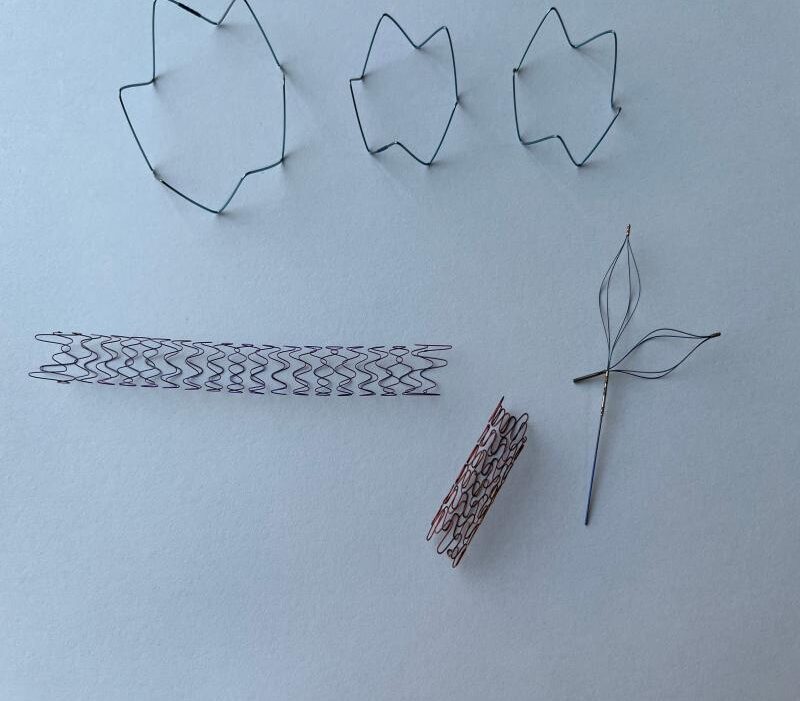
What Is the Austenite Finish (Af) Temperature?
The austenite finish (Af) temperature is one of the most important parameters affecting the performance of this alloy. Af stands for Austenite Finish Temperature. It refers to the point at which the material completely transforms into the austenite phase during heating. Simply speaking: this threshold determines when the alloy fully recovers its original shape and exhibits superelasticity.
Why This Critical Parameter Matters?
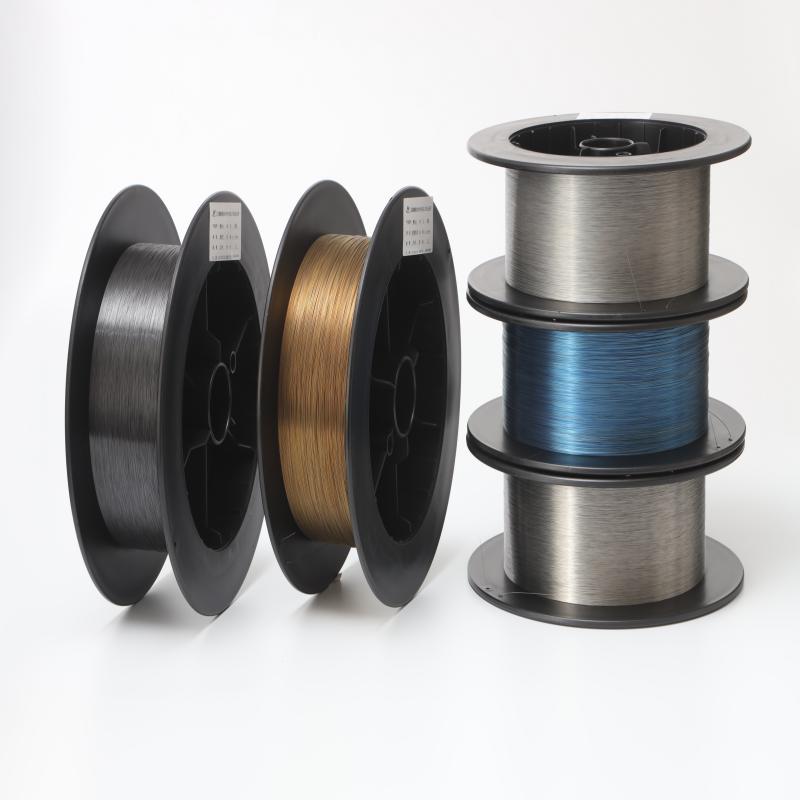
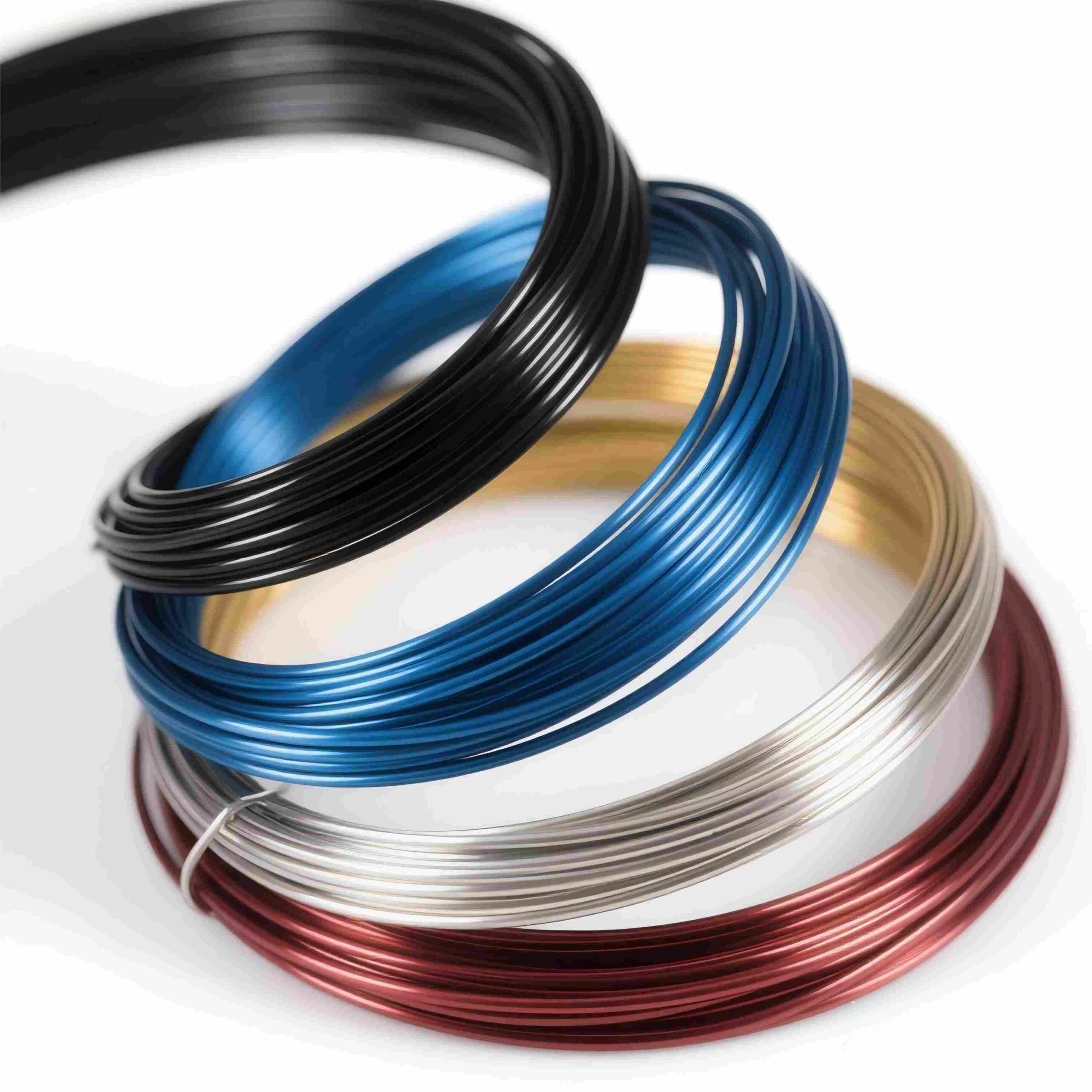
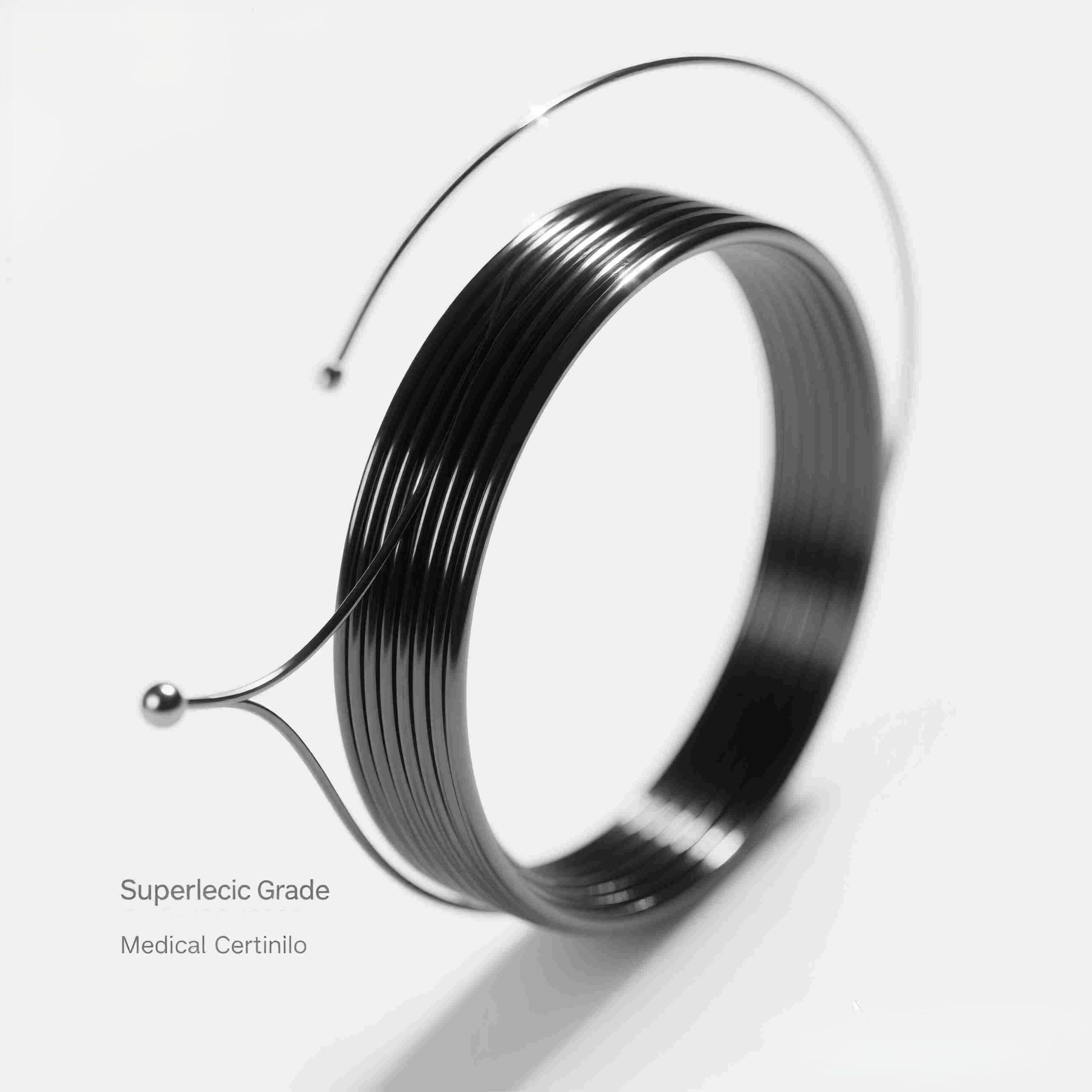
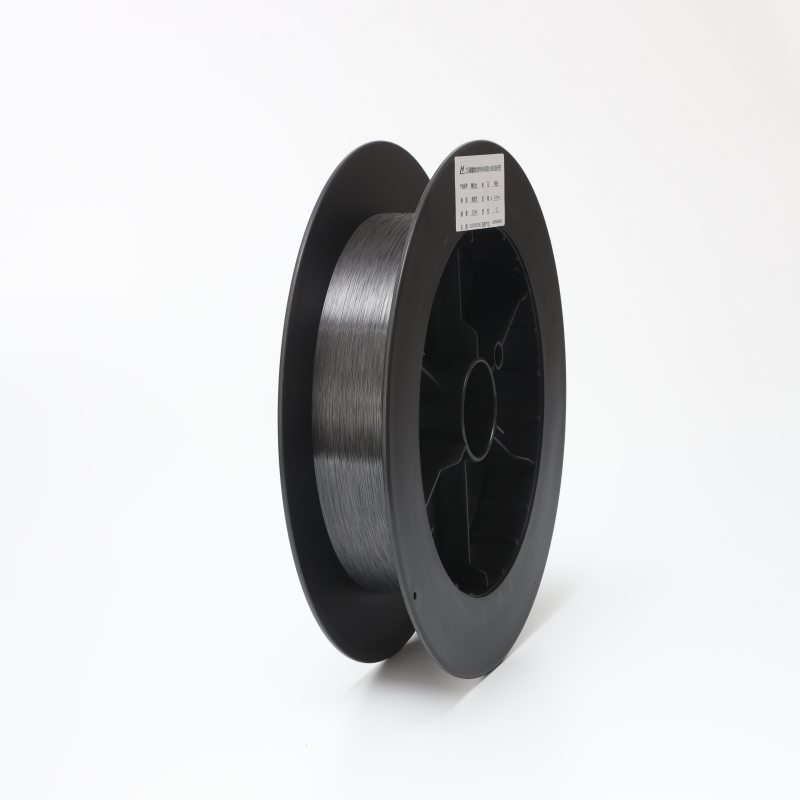
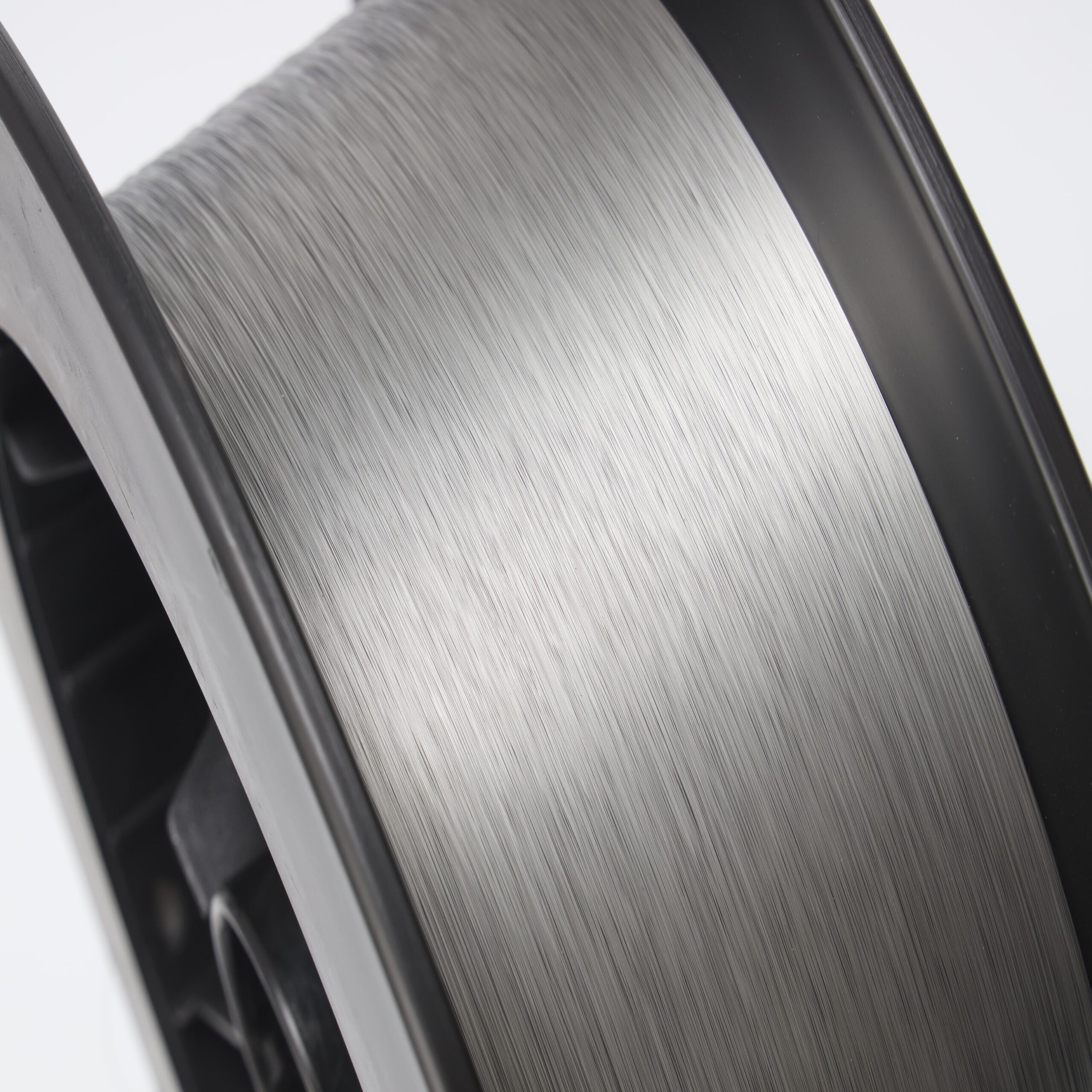
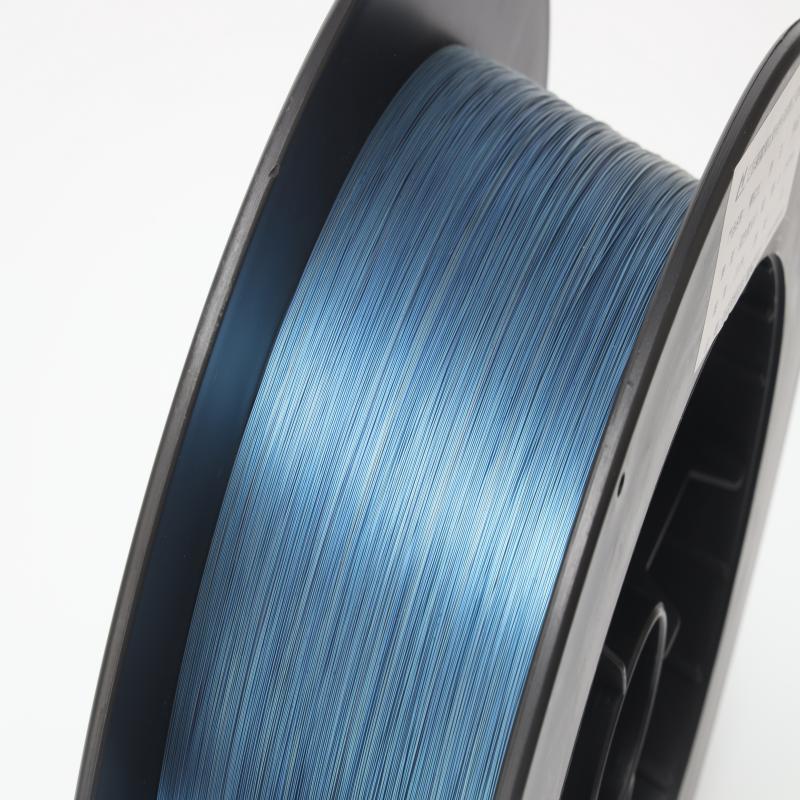
Nitinol is a special shape memory alloy made primarily of nickel and titanium.
It can switch between two crystal structures:
Martensite — softer and easily deformable at lower temperatures
Austenite — stronger phase that enables shape recovery and superelasticity at higher temperatures
When the material is heated above its Af temperature, it fully enters the austenite state and begins to: Recover its preset shape, Generate recovery force, Exhibit superelastic behavior
This unique property is what makes Nitinol widely used in medical and industrial applications.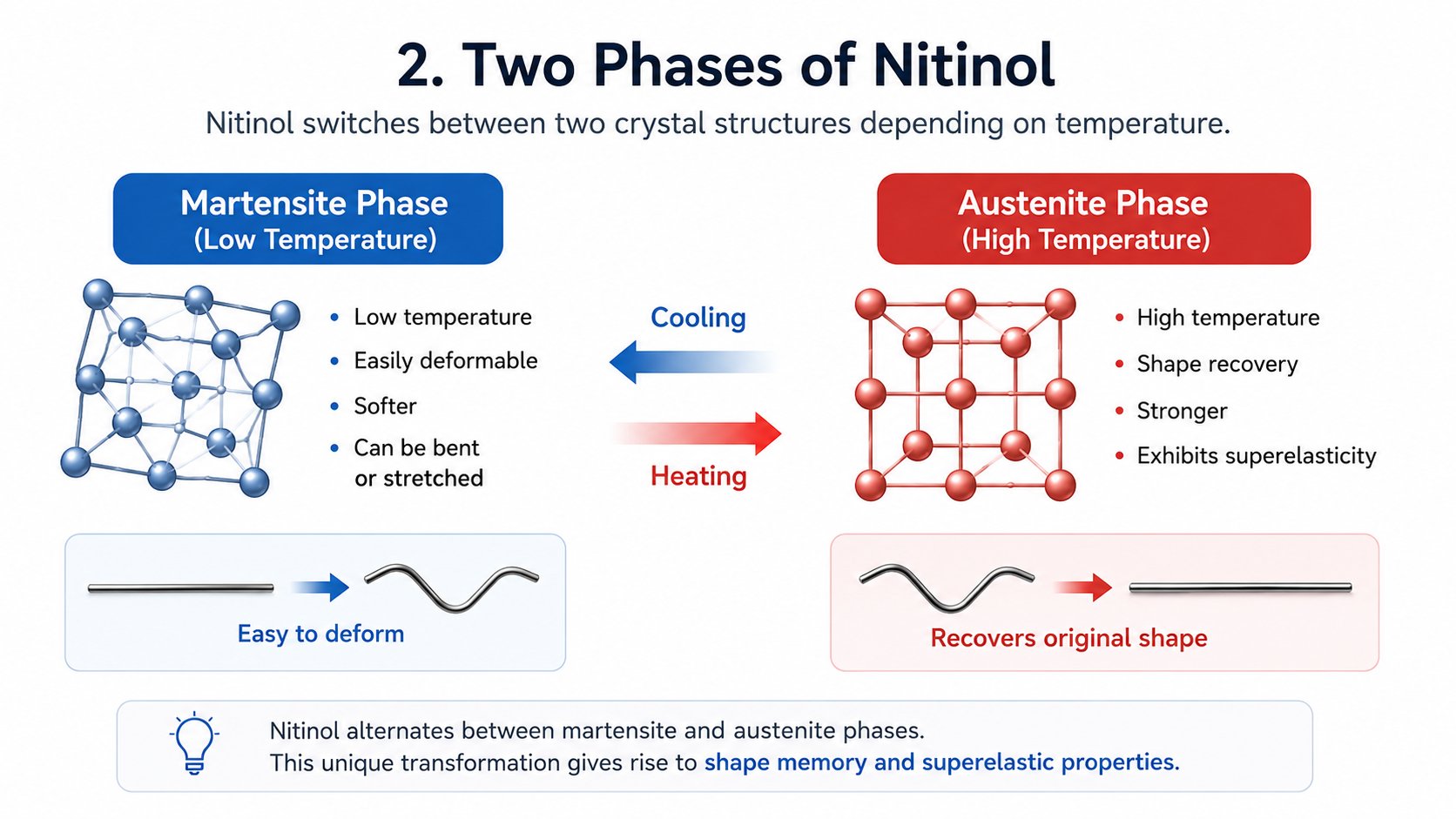
Practical Example of This Phase Transition
For example, if a Nitinol wire has: Af=35℃
Then: Below 35°C, the wire may remain partially martensitic and relatively soft
Above 35°C, the wire transforms completely into austenite and returns to its memorized shape.
This is the fundamental principle behind the shape memory effect.
Why Medical Devices Require Precise Control
Human body temperature is approximately: 37℃ . For medical applications, precise Af control is critical because it directly affects: Flexibility, Expansion force, Superelastic performance. Device deployment behavior inside the body. Even small changes in composition or heat treatment can significantly shift the Af temperature.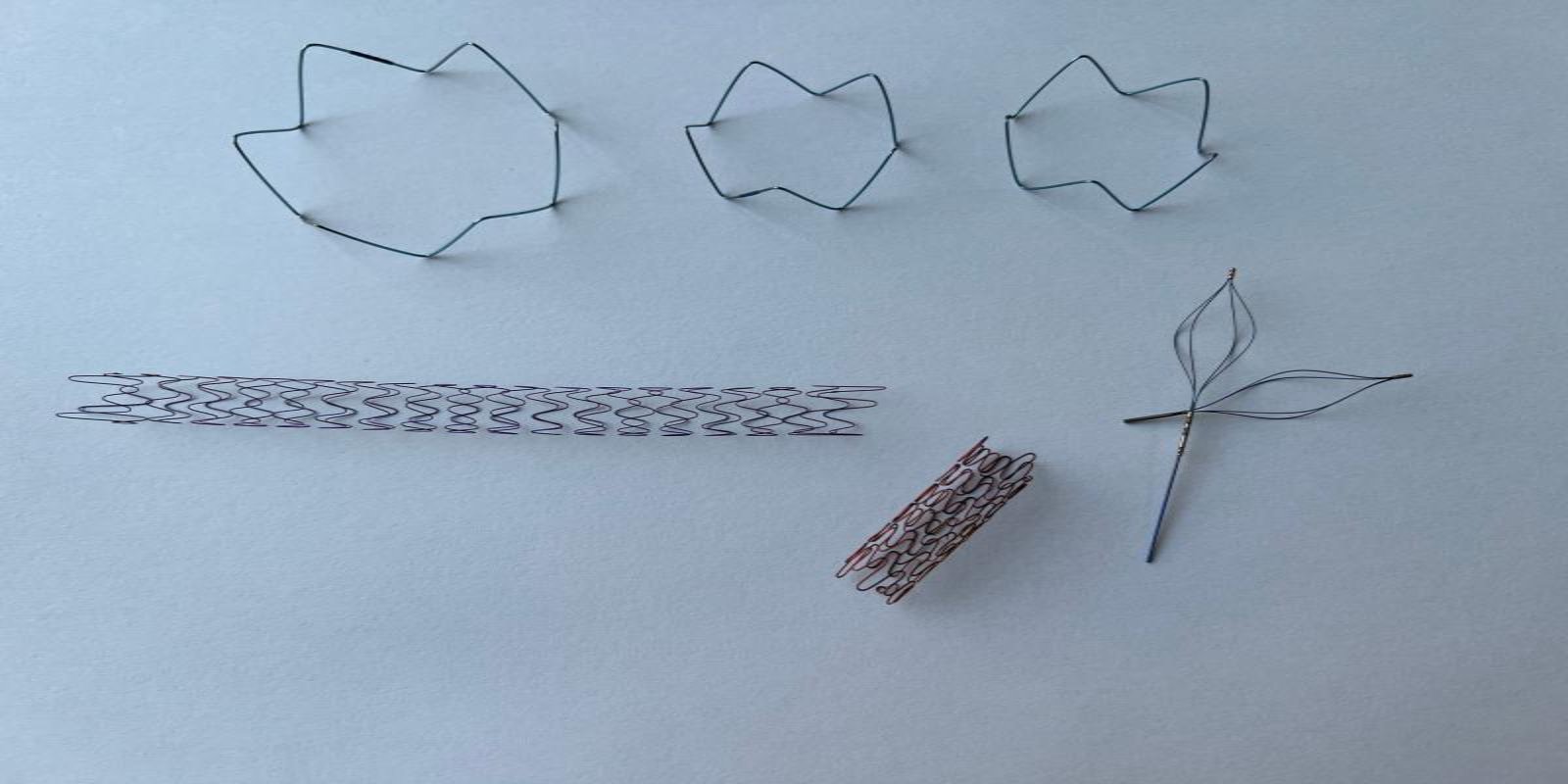
Conclusion
Af temperature is one of the important parameters of Nitinol alloys. It determines when the material fully transforms into the austenite phase, recovers its shape, and exhibits superelasticity. Understanding and controlling Af temperature is essential for developing high-performance Nitinol materials for medical, industrial, and precision engineering applications.